
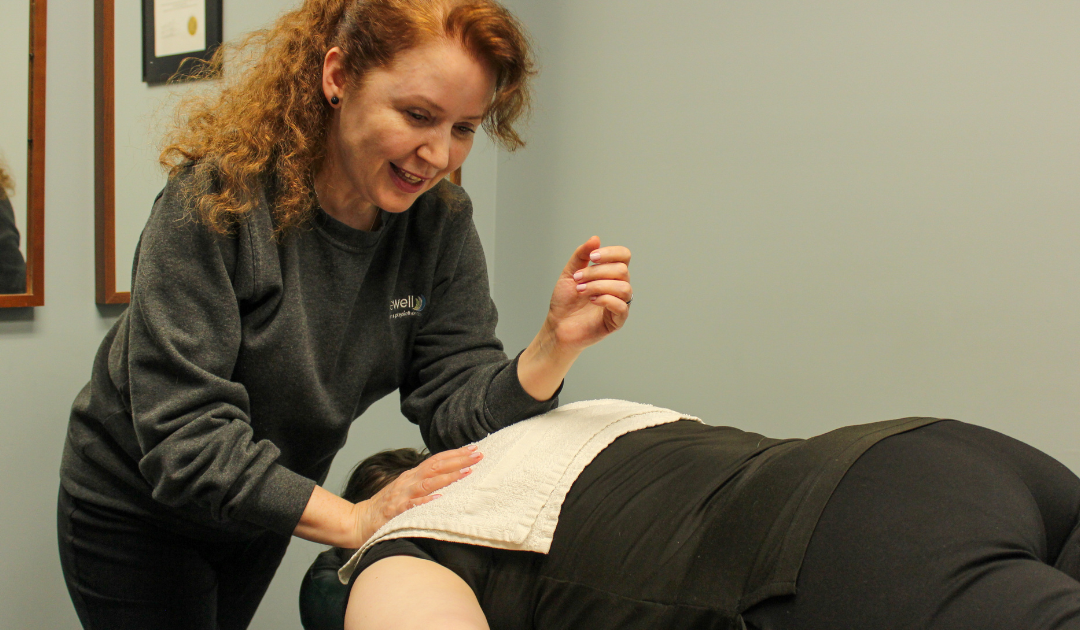
Most people use the word “massage” as a general term for any soft tissue manipulation. You find it at high-end resorts, nail salons, and clinical health centres like LiveWell Health and Physiotherapy. This leads to the misconception that all massages provide the same medical value. There is one distinction in massage providers: Registered Massage Therapists and non-registered massage providers.
Registered Massage Therapists (RMTs) have completed formal education and are registered with a governing college (College of Massage Therapists of Ontario- CMTO). Through their education they have gained extensive knowledge in anatomy and physiology giving them a clinical understanding of the body and how it functions. At LiveWell Health and Physiotherapy, any massage services received are eligible for reimbursement through extended health insurance and can be covered under Health Care Spending Accounts as well. RMTs use evidence-based assessment and treatment approaches to provide the best possible outcomes for their patients. Whether you are looking for a deep tissue therapeutic massage to combat the day to day aches and pains OR you are looking for a simple relaxation massage to settle the mind as well as the body, our team of experienced RMTs can tailor treatment to your needs!
While both registered massage therapy and non-registered massage providers involve the manipulation of soft tissues, their intentions, the training of the practitioners, and the physiological outcomes are vastly different. If you are recovering from an injury or managing chronic pain, understanding these differences is necessary for your recovery.
1. Defining the Core Intentions
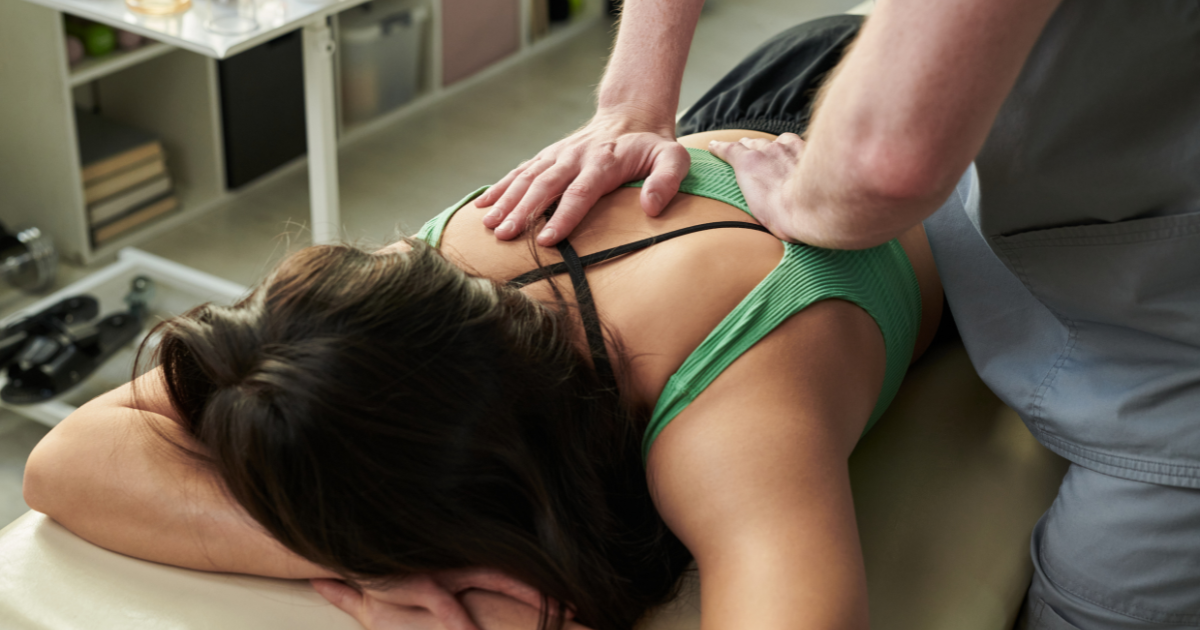
The easiest way to distinguish these two services is to look at the primary goal of the session. While the physical setting may look similar, the underlying objective of the manual work determines whether the outcome is a fleeting sensation of comfort or a lasting change in your physical health.
The Non-registered Massage: The “Feel Good” Factor
A massage is typically sought out for hedonic reasons, meaning it is for pleasure, relaxation, and immediate stress relief. The atmosphere is curated with soft lighting, aromatic candles, and soothing music to create a complete sensory escape. During these sessions, the practitioner focuses on the superficial layers of the skin and muscle to induce a state of calm and lower the cortisol levels of the client. It is a fantastic tool for mental health and temporary relief from the hustle of daily life, but it is not intended to diagnose or treat underlying physiological dysfunctions or persistent structural issues.
Registered Massage Therapy: The “Functionality” Factor
Massage Therapy is a therapeutic intervention focused on structural and mechanical repair. When you book an appointment with a Registered Massage Therapist (RMT), the goal is clinical and measurable. Whether you are recovering from a motor vehicle accident, managing chronic migraines, or rehabilitating a sports injury, the session is specifically designed to improve how your body functions and moves. It is a formal branch of healthcare, often integrated into a broader, evidence based treatment plan alongside physiotherapy and chiropractic care. Our RMTs focus on the deep interaction between the muscular and nervous systems to restore range of motion and reduce the frequency of pain symptoms.
2. Educational Standards and Regulation
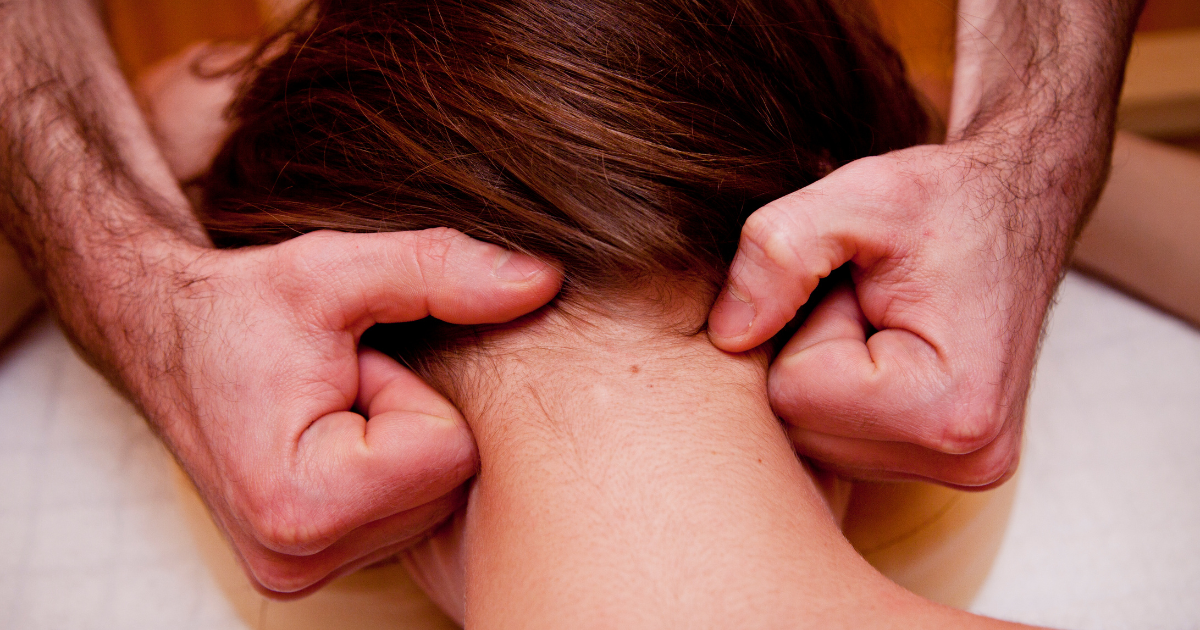
In many regions, including Ontario, the title “Massage Therapist” or “Registered Massage Therapist” is a protected designation. This is one of the most significant differences between a spa employee and a clinical therapist. This protection exists to ensure that when a patient seeks treatment for a medical condition, they are receiving care from a professional who has met rigorous provincial benchmarks.
Rigorous Training
An RMT must complete thousands of hours of specialized training at an accredited institution before they are eligible to practice. Their education is not just about learning massage strokes; it is a comprehensive medical curriculum that covers a wide range of subjects, including:
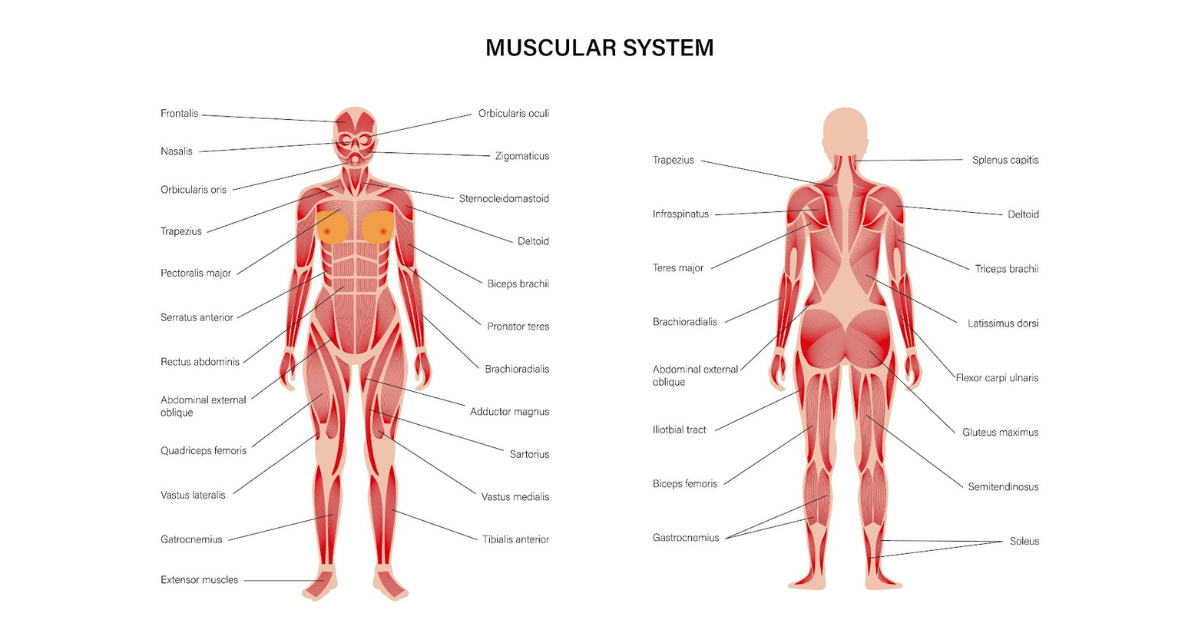
- Anatomy and Physiology: An in-depth understanding of every bone, muscle, and organ system, allowing the therapist to visualize the structures beneath the skin.
- Pathology: The study of diseases and injuries, which helps the therapist understand how different conditions affect the body’s tissues and how to treat them safely.
- Kinesiology: The study of the mechanics of body movement, which is essential for identifying the root cause of postural issues or gait imbalances.
- Neurology: Understanding how the brain communicates with muscles via the nervous system, which is critical for treating nerve impingements or chronic pain syndromes.
Professional Accountability
Because RMTs are regulated health professionals, they must adhere to strict codes of ethics and standards of practice set by a governing college, such as the College of Massage Therapists of Ontario (CMTO). This oversight ensures patient safety, privacy, and a consistently high level of clinical competency. While a regular bodyworker at a salon may provide a pleasant experience, they may not have these same legal requirements or educational benchmarks to support their practice. This accountability gives patients peace of mind, knowing that their treatment is being overseen by a professional held to the same standards as a nurse or a physiotherapist.
3. The Clinical Process: Assessment vs. Action
When you go for a regular massage, you might be asked a simple question like, “Where do you carry your tension?” or “Which areas should I focus on?” After that brief interaction, the practitioner usually follows a relatively standard routine designed to cover the body in a rhythmic, predictable way. In Massage Therapy, however, the process is far more rigorous and data driven. The goal is not just to provide a relaxing experience, but to gather enough clinical information to create a meaningful change in your physical condition.
The Initial Assessment
Your first visit to an RMT at LiveWell involves a comprehensive intake process that resembles a medical appointment more than a spa visit. The therapist needs to understand your full medical history, including past surgeries, current medications, and daily lifestyle habits that might be contributing to your pain. Once the history is established, they will perform specific physical tests to pinpoint the problem, such as:
- Range of Motion (ROM) Testing: This involves measuring how far a joint can move both actively and passively to identify restrictions in the joint capsule or surrounding muscles.
- Specialized Orthopaedic Tests: These are provocative maneuvers used to isolate specific tendons, ligaments, or nerves, helping the therapist determine if the pain is coming from a structural tear or a simple muscle strain.
- Palpation: This is a diagnostic touch where the therapist uses their hands to identify trigger points, localized swelling, or abnormal tissue texture that indicates chronic inflammation or scar tissue.
The Treatment Plan
Based on the findings of the assessment, the RMT develops a specific Treatment Plan tailored to your unique anatomy. This is never a one size fits all routine. If you are suffering from carpal tunnel syndrome, the treatment techniques and target areas will look nothing like a session for someone rehabilitating a strained hamstring or recovering from whiplash. The therapist focuses on the root cause of the dysfunction, often working on muscles far away from the site of pain to resolve the mechanical imbalance. This ensures that the results of the session last far longer than the temporary relief found in a standard relaxation massage.
4. Advanced Techniques Used in Massage Therapy
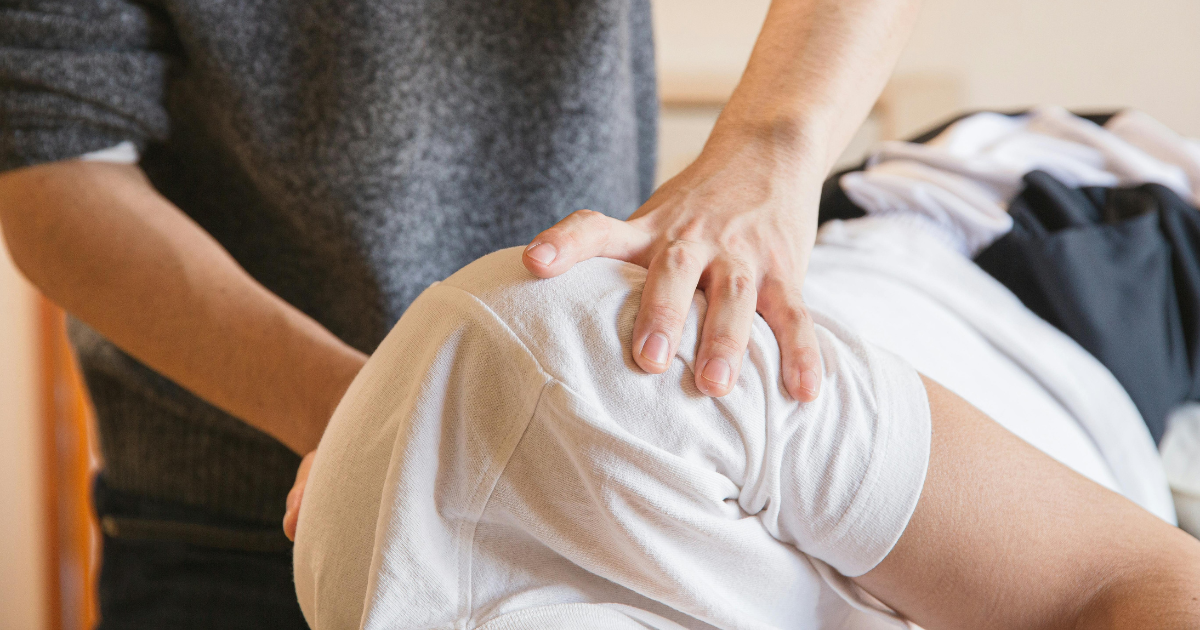
While a spa massage relies heavily on Effleurage, which consists of long, gliding strokes, and Petrissage, the rhythmic kneading of tissue, clinical Massage Therapy utilizes a much broader toolkit to solve complex physical issues. These advanced methods are applied with a specific therapeutic intent, moving beyond the surface to influence the deeper physiological systems of the body.
Myofascial Release
Fascia is a continuous web of connective tissue that wraps around every muscle, bone, nerve, and organ. When this tissue becomes tight, dehydrated, or stuck due to injury or poor posture, it can cause restricted movement and chronic pain that radiates throughout the body. RMTs use slow, sustained pressure and stretching techniques to melt these fascial restrictions. This process restores fluidity to the body and allows muscles to move independently of one another, which is essential for total functional recovery.
Trigger Point Therapy
Commonly known as knots, trigger points are hyper irritable spots within a taut band of skeletal muscle. These points are unique because they often cause referred pain, meaning a knot in your shoulder might be the actual source of a tension headache behind your eye. RMTs are specifically trained to identify these points through palpation and use ischemic compression to release them. By applying direct, calculated pressure, the therapist can interrupt the pain cycle and encourage fresh, oxygenated blood to flow to the area, effectively deactivating the knot.
Hydrotherapy
Clinical therapists often incorporate the strategic use of heat or cold applications to manipulate blood flow and accelerate healing. Hydrotherapy is an evidence based approach where heat is used to relax tight tissues and increase local circulation before deep work begins. Conversely, cold applications or cryotherapy are used to reduce acute inflammation and provide a numbing effect for intense pain. This temperature manipulation is a powerful tool in a clinical setting, as it allows the therapist to prepare the tissue for deeper manual techniques that would otherwise be too uncomfortable for the patient.
5. The Multidisciplinary Advantage at LiveWell
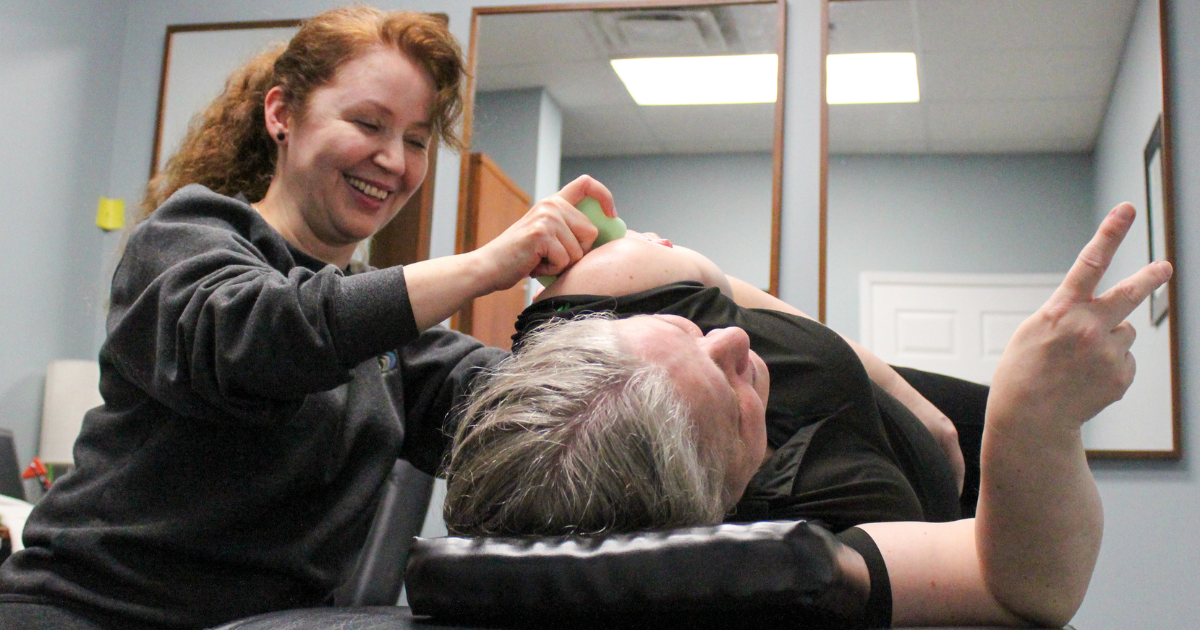
One of the greatest benefits of receiving Massage Therapy at a clinic like LiveWell Health and Physiotherapy is the integration of care. In a traditional spa setting, your practitioner usually works in isolation, meaning their perspective is limited to what they can achieve during their specific session. At LiveWell, your RMT is an active participant in a professional medical team.
This “circle of care” means that if your therapist notices your chronic neck tension is actually being driven by a pelvic tilt or an uneven gait, they don’t have to guess at the solution. They can walk down the hall and consult directly with your Physiotherapist or Chiropractor. This collaborative environment ensures that every angle of your health is being addressed simultaneously, preventing you from falling through the gaps of fragmented care.
Synergy with Physiotherapy
There is a powerful physiological synergy that happens when you combine different types of clinical expertise. Physiotherapy often focuses on corrective exercise, strengthening, and restoring proper movement patterns, while Massage Therapy focuses on tissue pliability and reducing muscular guarding.
By combining these two disciplines, you ensure that your muscles are both strong enough to support your joints and flexible enough to move through their full range of motion. The RMT prepares the soft tissue by breaking down adhesions and increasing circulation, which often makes the subsequent physiotherapy exercises more effective and less painful. This integrated approach is what transforms a simple appointment into a comprehensive recovery strategy, moving you toward your goals much faster than isolated treatments ever could.
6. Long-Term Outcomes and Remedial Exercise
The most distinct difference between the two experiences is what happens after you get off the table and walk out the door. While a spa massage is a wonderful indulgence, the benefits often dissipate shortly after you leave the environment. In contrast, clinical Massage Therapy is designed to create lasting physiological changes that carry over into your daily life.
The Role of Remedial Exercise
A spa massage ends when you pay the bill, but a Massage Therapy session at LiveWell includes a proactive component known as Remedial Exercise. Because the goal is long term recovery, your RMT will prescribe specific homework to help maintain the structural progress made during your session. This ensures that you aren’t just relying on the therapist for relief, but are actively participating in your own healing process. This clinical “homework” typically includes:
- Targeted Stretches: These are designed to keep the treated muscles from tightening up again and to maintain the increased range of motion achieved during the session.
- Strengthening Drills: These exercises help fix postural imbalances by activating weak muscles that may be causing other areas of your body to overcompensate.
- Ergonomic Adjustments: Your therapist will provide practical suggestions on how to set up your desk, phone habits, or car seat to prevent recurring strain from your daily environment.
By incorporating these movements into your routine, you transform the work done on the table into a permanent improvement in your physical health. Instead of just managing pain when it becomes unbearable, you are building a body that is resilient, balanced, and capable of moving without restriction.
Investing in Your Longevity
Choosing between a regular massage and clinical Massage Therapy depends entirely on your immediate needs. If you want an hour of sensory escape to disconnect from the world, a spa is the perfect destination for you. However, if you want to walk without pain, recover from a lingering injury, or significantly improve your athletic performance, Massage Therapy is the necessary clinical solution. It is the difference between a temporary pause in stress and a permanent investment in your physical mobility.
At LiveWell Health and Physiotherapy, our Registered Massage Therapists are dedicated to helping you live your most active and pain-free life. We understand that your body is an interconnected system, and we are committed to finding the root cause of your discomfort. We don’t just treat symptoms; we treat people. By choosing a clinical environment, you are choosing a team that prioritizes your long term health, functional strength, and overall longevity.
Ready to start your recovery?
Connect with our team today to book your assessment and experience the clinical difference.
LiveWell Health & Physiotherapy – Waterloo
4-570 University Ave E, Waterloo, ON N2K 4P2
(519) 880-1733
LiveWell Health & Physiotherapy – Driftwood
8C-450 Westheights Dr, Kitchener, ON N2N 2B9
(519) 570-4247
You can also book your appointment online at any of our locations by visiting https://livewellhealthandphysiotherapy.janeapp.com.