
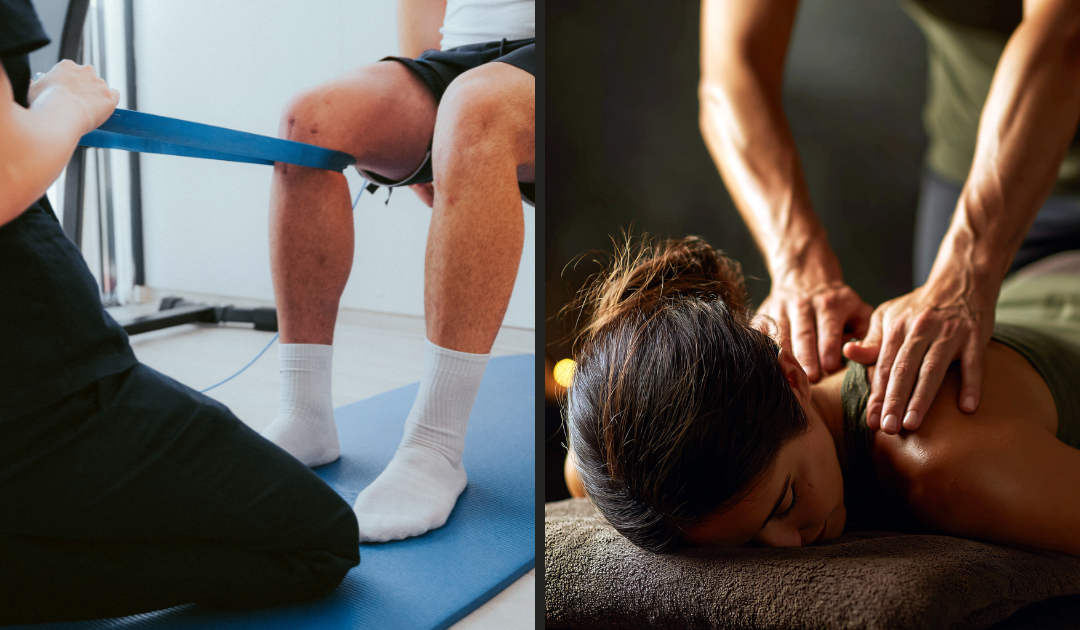
When it comes to health, pain relief, recovery, and long-term movement, most people are looking for results that last. Pain rarely has a single cause, and no two bodies move the same way. That is why at LiveWell Health and Physiotherapy, we take a collaborative, whole-body approach to care by combining complementary services to help you heal faster, move better, and feel stronger.
Rather than treating symptoms in isolation, pairing services allows multiple therapeutic approaches to work together in a coordinated plan. This helps address not only pain or dysfunction, but also movement patterns, strength deficits, postural issues, and lifestyle factors that contribute to your overall condition.
In this blog, we will explore:
How to get started with an integrated plan
- What pairing services means
- Why it is more effective than a single approach
- The major benefits of combining treatments
- Specific LiveWell service pairings that deliver great results
What Does Pairing Services Mean?
Service pairing is the intentional use of two or more complementary healthcare practices as part of a coordinated treatment plan.
Instead of booking one type of appointment and hoping for the best, paired services combine treatments that support different aspects of recovery and movement. When done thoughtfully, these combinations enhance each other’s effects, creating synergy that improves outcomes.
Examples include:
- Physiotherapy with chiropractic care
- Physiotherapy with massage therapy
- Physiotherapy with acupuncture
- Physiotherapy with Pilates or personal training
- Physiotherapy with osteopathy
- Physiotherapy with pelvic physiotherapy
- Physiotherapy with naturopathic medicine
Each combination targets different aspects of physical function, including mobility, alignment, strength, and tissue health, so the body receives support on multiple levels.
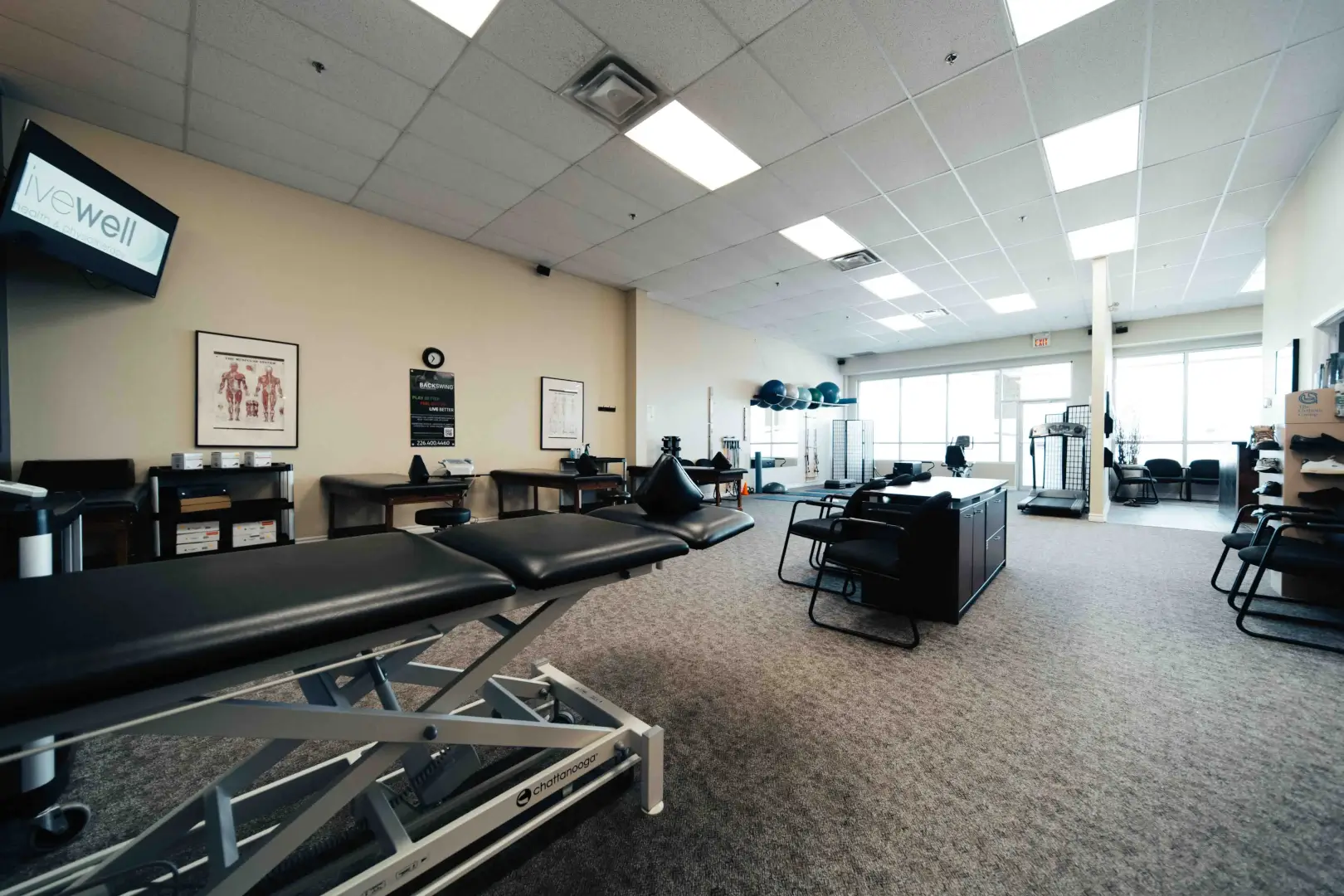
Why a Single Approach Is Not Always Enough
Many injuries and pain conditions are not caused by one issue alone. They often result from several contributing factors working together, such as muscle weakness, joint restriction, nerve irritation, and altered coordination.
Treating only one symptom may provide temporary relief, but it can leave other contributors unaddressed. Massage therapy may reduce tension, but without movement retraining, tightness often returns. Physiotherapy may improve strength, but progress can be limited if pain or soft tissue restriction is not addressed. Pairing services helps close these gaps.
How Pairing Services Helps You Heal Better
1. Faster Recovery Across Multiple Systems
Each therapy works on different systems, including muscular, nervous, skeletal, and connective tissue. Combining services allows healing to occur on multiple fronts at the same time. This often leads to quicker relief and more durable results.
2. A Comprehensive View of Your Body
Pairing services allows practitioners to collaborate and align care goals. Treatment plans evolve as progress is made, ensuring consistent and focused care rather than isolated symptom management.
3. Better Pain Management
Pain often involves muscle tension, joint restriction, movement impairment, and nervous system sensitivity. Combining therapies such as physiotherapy with massage or acupuncture helps reduce pain while improving movement, making rehabilitation more effective.
4. Long-Term Wellness and Prevention
Pairing services supports long-term health by addressing posture, movement mechanics, strength balance, and lifestyle habits. This approach reduces the risk of recurring injury and supports sustainable wellness.
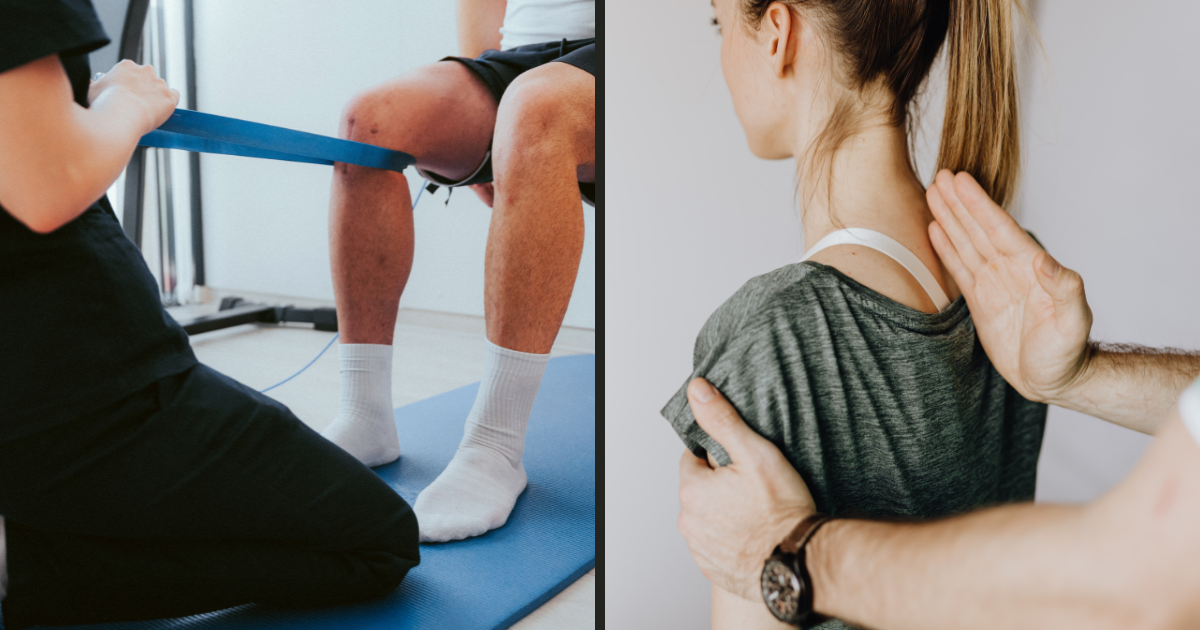
LiveWell Service Pairings That Work
Physiotherapy and Chiropractic Care
Physiotherapy and chiropractic care work together by addressing both movement function and joint mechanics. Physiotherapy focuses on restoring strength, mobility, and control, while chiropractic care emphasizes joint alignment and spinal mobility that supports efficient nervous system function.
When joint restrictions or spinal stiffness limit movement, chiropractic care can help improve mobility and alignment. Physiotherapy then reinforces those improvements through strengthening, stability training, and movement retraining.
This pairing is especially beneficial for:
- Back and neck pain
- Postural strain and workplace-related discomfort
- Joint stiffness and reduced mobility
- Headaches related to spinal or postural dysfunction
Together, these services support smoother movement patterns, reduced strain on the body, and improved long-term outcomes.
Physiotherapy and Massage Therapy
Massage therapy and physiotherapy complement each other by addressing both soft tissue health and functional movement. Massage therapy focuses on reducing muscle tension, improving circulation, and increasing tissue flexibility. Physiotherapy then builds on these changes through targeted exercises and movement correction.
Massage therapy can help prepare the body for physiotherapy by reducing pain and stiffness, making exercises more comfortable and effective. It can also support recovery between physiotherapy sessions by reducing muscle guarding and soreness.
This pairing is particularly helpful for:
- Muscle tightness and tension-related pain
- Restricted range of motion
- Repetitive strain injuries
- Recovery from physical activity or exercise
By combining tissue-focused treatment with active rehabilitation, patients often experience faster progress and more sustainable results.
Physiotherapy and Acupuncture
Acupuncture supports physiotherapy by helping regulate pain, inflammation, and nervous system activity. It can reduce sensitivity and muscle tension, allowing patients to move more freely and participate more fully in rehabilitation exercises.
Physiotherapy then uses this improved comfort and mobility to restore strength, coordination, and functional movement. This combination is especially useful when pain is limiting progress or when inflammation plays a role in the condition.
This pairing is commonly used for:
- Chronic pain conditions
- Muscle tension and trigger points
- Headaches and migraines
- Stress-related physical symptoms
Together, acupuncture and physiotherapy create a balanced approach that addresses both pain regulation and physical rehabilitation.
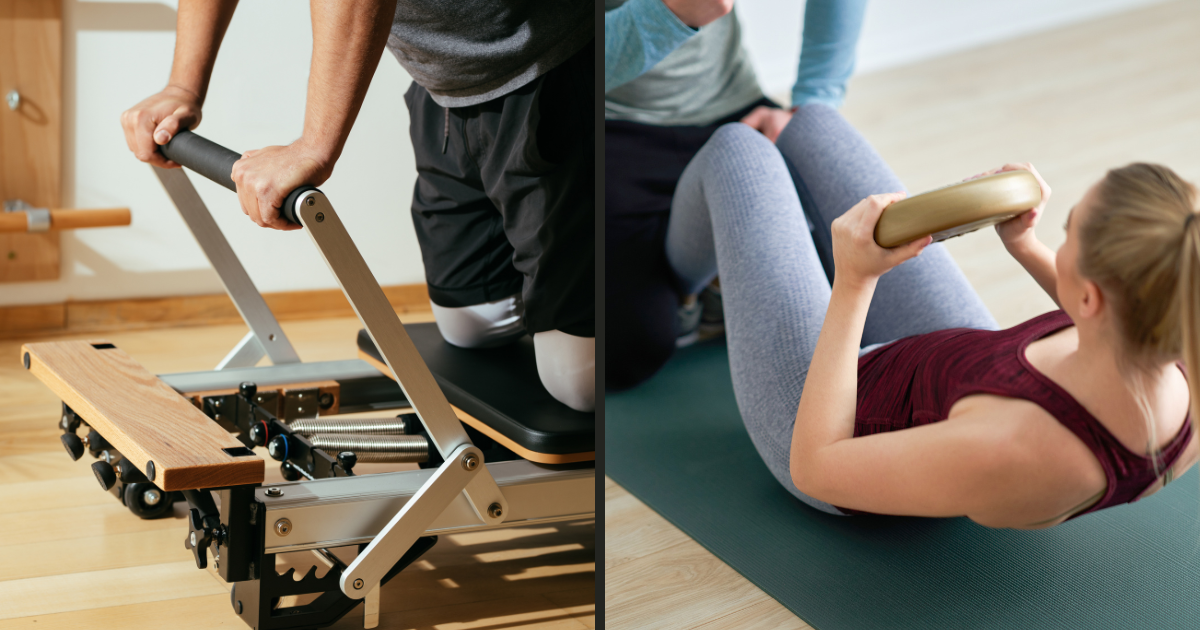
Physiotherapy and Pilates or Personal Training
As recovery progresses, Pilates or personal training becomes an important extension of physiotherapy care. These services focus on controlled movement, strength, endurance, balance, and posture, helping patients transition from rehabilitation to long-term physical health.
Physiotherapy ensures movement patterns are safe and efficient, while Pilates or personal training builds the strength and confidence needed for daily activities, work demands, or sport.
This pairing is ideal for:
- Preventing re-injury
- Improving posture and core stability
- Returning to work or sport
- Maintaining long-term movement health
Together, these services help patients move beyond pain management and toward sustained physical resilience.
Physiotherapy and Orthotics
Foot mechanics influence the entire body, including the knees, hips, and spine. Custom orthotics help correct biomechanical issues at the foundation, while physiotherapy addresses how the rest of the body adapts and moves.
When paired, orthotics provide structural support during walking and standing, and physiotherapy retrains movement patterns, improves strength, and reduces compensatory strain.
This pairing is especially beneficial for:
- Foot and ankle pain
- Knee, hip, or lower back issues related to gait
- Postural imbalances
- Overuse injuries
Together, they promote more efficient movement and reduce stress throughout the musculoskeletal system.
Physiotherapy and Pelvic Physiotherapy
Pelvic physiotherapy focuses on the muscles, joints, and connective tissues of the pelvic region. When paired with general physiotherapy, it supports a more comprehensive approach to core stability and functional movement.
Physiotherapy addresses overall strength and mobility, while pelvic physiotherapy targets pelvic floor function and coordination. This combined approach can reduce compensatory patterns that contribute to pain and dysfunction elsewhere in the body.
This pairing is beneficial for:
- Pelvic floor dysfunction
- Lower back or hip pain
- Core instability
- Postural and movement compensation patterns
Together, these services provide deeper support for complex movement systems and whole-body stability.
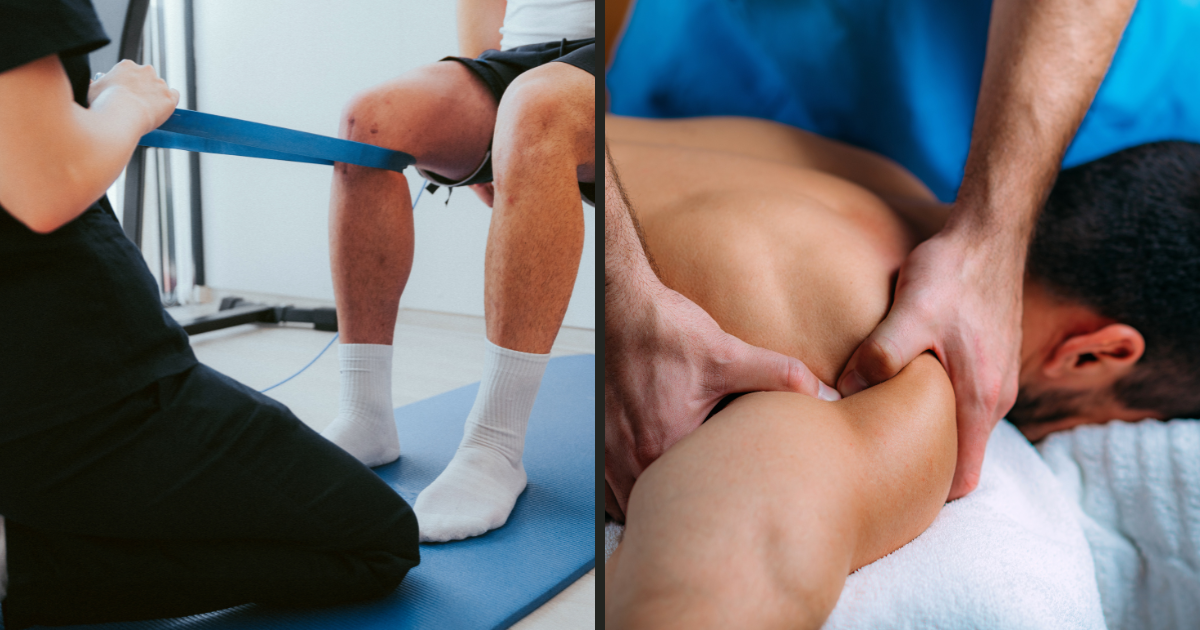
Physiotherapy and Osteopathy
Osteopathy focuses on the relationship between structure and function in the body, using gentle manual techniques to improve mobility, circulation, and balance across multiple systems. When paired with physiotherapy, this approach supports both global and targeted recovery.
Physiotherapy addresses strength, movement control, and functional rehabilitation, while osteopathy works to release restrictions and improve how different regions of the body work together.
This pairing can be especially beneficial for:
- Chronic or complex pain conditions
- Whole-body tension patterns
- Postural imbalances
- Recurrent injuries with no single clear cause
Osteopathy can help reduce restrictions that limit progress, while physiotherapy reinforces improvement through movement retraining and strengthening. Together, they provide a balanced approach that supports both symptom relief and long-term functional improvement.
Physiotherapy and Naturopathic Medicine
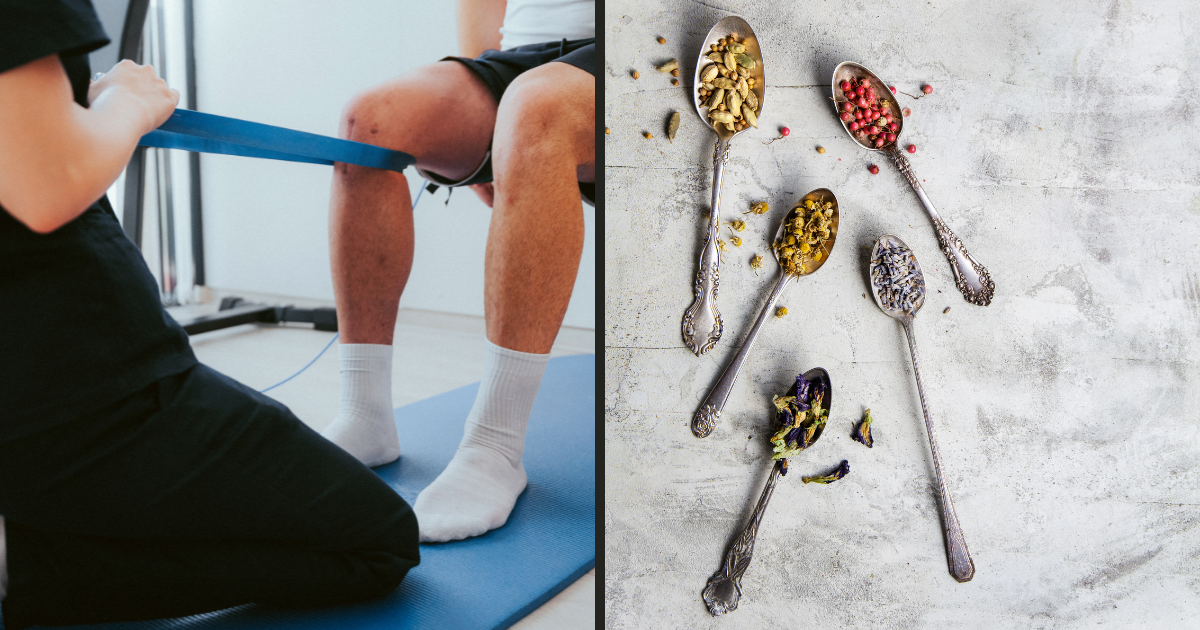
Some conditions are influenced by inflammation, recovery capacity, nutrition, and lifestyle factors. Naturopathic medicine supports the body internally, while physiotherapy focuses on restoring physical function and movement.
When paired, patients receive guidance that supports healing from both a physical and systemic perspective. This can improve recovery efficiency and long-term wellness outcomes.
This pairing is particularly helpful for:
- Chronic pain or inflammation
- Fatigue affecting recovery
- Stress-related physical symptoms
- Long-term health and prevention goals
Together, physiotherapy and naturopathic medicine support a well-rounded and sustainable approach to health.
Real Results Through Coordination
The strength of paired services lies in communication. When practitioners collaborate, care becomes focused, consistent, and forward-moving. This reduces conflicting advice and improves progress tracking.
Who Benefits from Paired Care?
Paired services benefit a wide range of individuals, including those managing chronic pain, recovering from injury or surgery, returning to sport, addressing posture issues, or seeking preventative care.
Is Pairing Services the Same as Over-Treatment?
No. Pairing services is about choosing the right combination at the right time. Care is intentional, evidence-informed, and goal-driven to ensure efficiency and value.
Getting Started with Pairing Services at LiveWell
Your journey begins with a comprehensive assessment to evaluate movement, strength, and contributing factors. From there, an integrated care plan is created to fit your goals, lifestyle, and schedule.
Pairing services offers a modern and effective approach to recovery and long-term health. By addressing multiple systems together, coordinated care delivers stronger and more lasting results.
At LiveWell Health and Physiotherapy, services work together to support pain relief, movement quality, strength, and resilience. Whether your goal is recovery, performance, or prevention, paired care gives your body the best opportunity to heal and thrive.
LiveWell Health & Physiotherapy – Waterloo
4-570 University Ave E, Waterloo, ON N2K 4P2
(519) 880-1733
LiveWell Health & Physiotherapy – Driftwood
8C-450 Westheights Dr, Kitchener, ON N2N 2B9
(519) 570-4247