
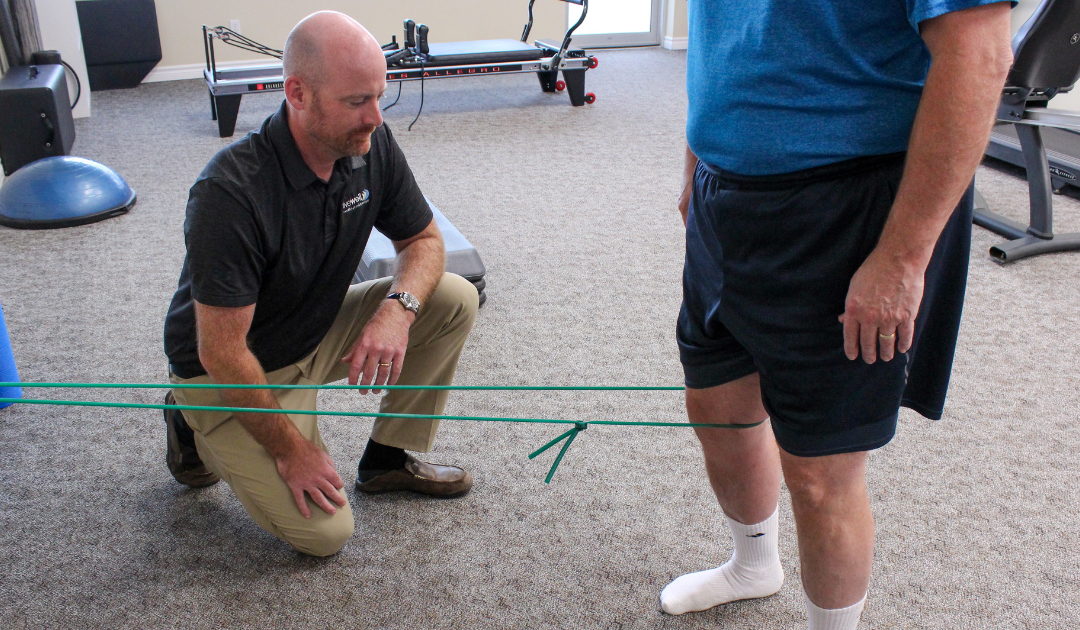
When pain starts interfering with your day, it becomes one of the most common reasons people begin searching for physiotherapy in Kitchener-Waterloo. While occasional soreness after activity can be normal, pain that sticks around for weeks or keeps returning is a sign that something deeper may be going on.
You may notice pain that feels sharp, dull, or achy. It might flare up during movement, worsen at the end of the day, or even interrupt your sleep. Many people try to push through discomfort while hoping it will resolve on its own. However, persistent pain often points to muscle imbalances, joint restrictions, nerve irritation, or inefficient movement patterns.
Physiotherapy works to identify what is driving the pain rather than simply masking symptoms. By addressing strength, mobility, and movement habits, physiotherapy helps reduce pain and restore function so daily life becomes more comfortable again.
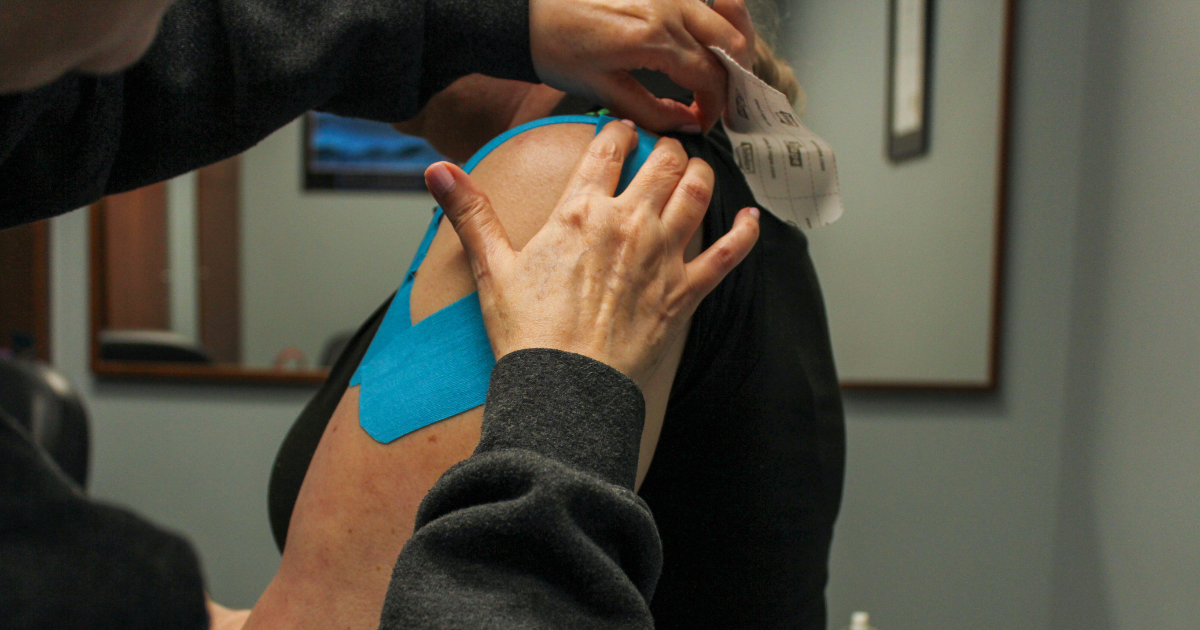
Why the “Wait and See” Approach Can Backfire
It is tempting to wait for pain to vanish. But when discomfort starts to dictate how you move, your body naturally begins to compensate. You might start putting more weight on one leg or changing how you reach for items. These small changes can lead to secondary issues in other parts of your body.
At LiveWell Health and Physiotherapy, we specialize in catching these patterns before they become permanent habits.
1. Feeling Stiff, Tight, or Restricted More Often
Stiffness is easy to ignore, especially when it develops gradually. Many people assume feeling tight when getting out of bed or after sitting for long periods is just part of life. However, ongoing stiffness is often a sign that joints and muscles are not moving as well as they should.
Common areas affected include the neck, shoulders, lower back, hips, and ankles. You may notice difficulty turning your head, bending forward, reaching overhead, or rotating your body. Reduced mobility can affect posture, balance, and overall movement quality.
Physiotherapy focuses on restoring healthy movement through hands-on treatment, guided mobility work, and exercises designed to improve flexibility and joint function. Improving mobility not only feels better, it also reduces stress on other areas of the body.
2. The Same Injury or Pain Keeps Coming Back
If you have dealt with the same pain or injury multiple times, it may be a sign that the root cause was never fully addressed. Recurring issues often happen when compensation patterns develop or when the body lacks the strength or control needed to support certain movements.
Examples include recurring ankle sprains, ongoing lower back pain, shoulder pain that returns with exercise, or knee pain that flares during running or stairs. Temporary relief is common, but without correcting movement habits or strength imbalances, symptoms often resurface.
Physiotherapy takes a long-term approach by identifying why an issue keeps returning and addressing the underlying contributors. This helps reduce the cycle of injury and recovery.
3. Everyday Activities Are Becoming Uncomfortable
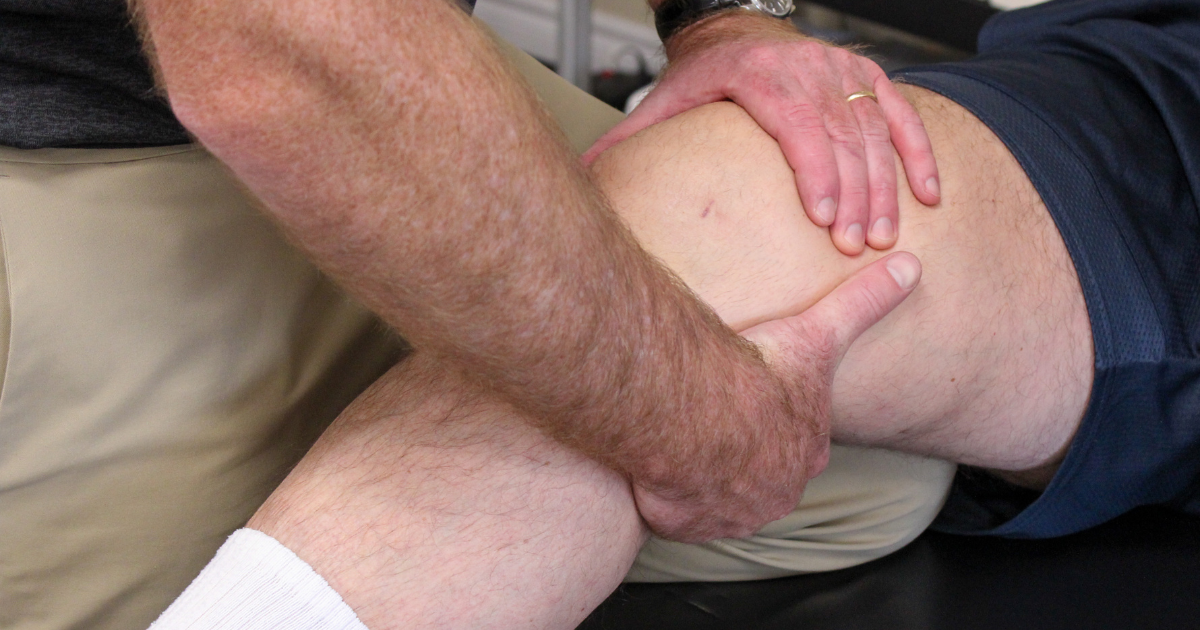
Daily tasks should not feel difficult or painful. If simple movements such as standing up from a chair, carrying groceries, climbing stairs, or walking for longer periods cause discomfort, it may be time to consider physiotherapy.
Pain or fatigue during everyday activities often signals that the body is compensating or working harder than it should. Over time, this can lead to increased discomfort and reduced confidence in movement.
Physiotherapy helps improve how your body handles daily demands by improving strength, coordination, and movement efficiency. Small changes can make a noticeable difference in comfort and energy levels.
4. Desk Work and Screen Time Are Taking a Toll
Many people in our local community spend long hours sitting at desks or working on computers. Over time, poor posture and repetitive positions can place strain on the neck, shoulders, back, and wrists.
Common signs include neck stiffness, shoulder tension, upper back discomfort, headaches, or soreness that worsens throughout the workday. These symptoms are often linked to posture, workstation setup, and muscle imbalance rather than a single injury.
Physiotherapy addresses these concerns by assessing posture, movement habits, and ergonomics. Treatment may include manual therapy, posture education, and exercises designed to support the body during prolonged sitting or repetitive tasks.
5. Recovery Feels Slower Than Expected After Injury or Surgery
After an injury or surgery, pain may decrease before strength, mobility, and coordination fully return. Many people stop rehabilitation too early and later notice lingering weakness, stiffness, or discomfort.
Physiotherapy plays a key role in restoring movement, rebuilding strength, and improving confidence after injury or surgery. It also helps guide a safe return to work, sport, or daily activities.
Starting or continuing physiotherapy during recovery can reduce long-term limitations and improve overall outcomes.
6. Balance Feels Off or Confidence in Movement Is Decreasing
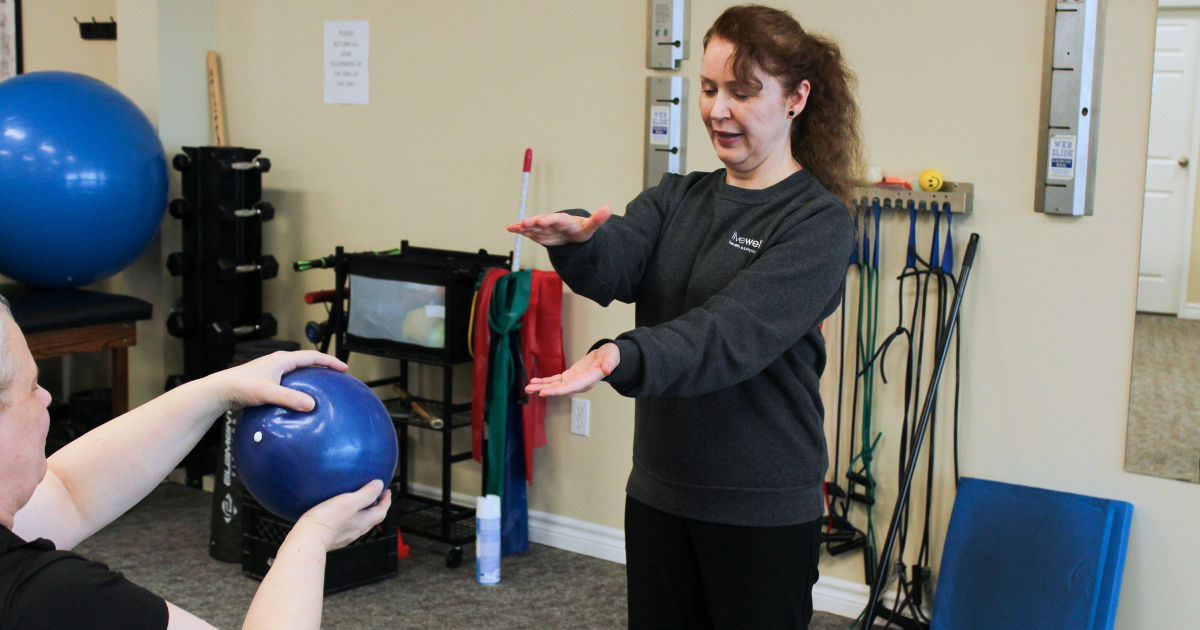
Feeling unsteady, tripping more often, or avoiding certain movements out of fear can be signs that balance and coordination need support. Balance challenges can occur at any age and may be linked to injury, weakness, or changes in movement patterns.
Physiotherapy includes balance training, strength work, and coordination exercises that improve stability and reduce the risk of falls. Regaining confidence in movement is an important part of staying active and independent.
7. Your Physical Performance Is Not Where It Used To Be
You do not need to be an athlete to notice changes in performance. Reduced endurance, strength, flexibility, or coordination can affect workouts, recreational activities, or even daily routines.
Physiotherapy helps optimize movement and identify areas that may be limiting performance. This is helpful for people returning to sport, staying active as they age, or looking to prevent injury while maintaining an active lifestyle.
Managing Ongoing Conditions With Movement Support
Physiotherapy can be a valuable part of managing chronic conditions such as arthritis, long-standing pain, or mobility limitations. Guided movement helps maintain joint health, strength, and independence.
A physiotherapist works with you to ensure exercises and treatments are appropriate for your condition and goals, supporting long-term comfort and function.
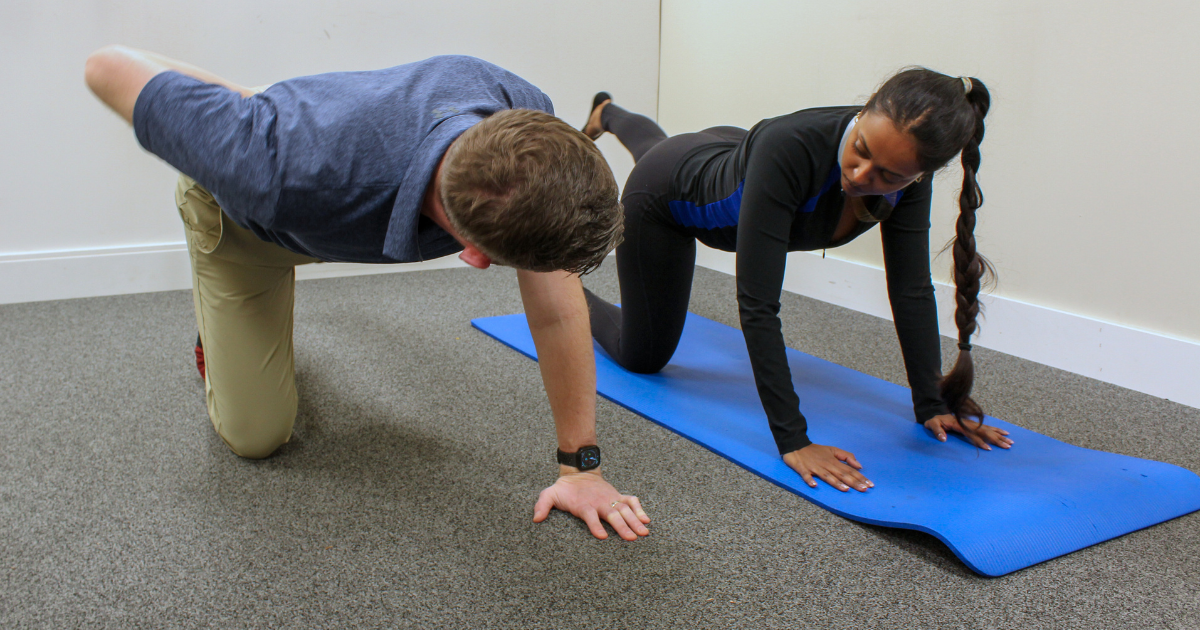
Why Starting Physiotherapy Sooner Can Make a Difference
Many people delay seeking care, hoping symptoms will resolve on their own. While this can happen in some cases, delaying treatment can allow issues to become more complex and harder to manage.
Early physiotherapy intervention often leads to faster recovery, less severe symptoms, and improved long-term outcomes. Addressing problems early helps prevent compensation patterns and chronic pain.
What Your First Physiotherapy Appointment Looks Like
Your first physiotherapy visit includes a detailed assessment of your movement, strength, posture, and daily activities. Your physiotherapist will discuss your symptoms, goals, and any concerns you have.
From there, a personalized treatment plan is created. This may include hands-on treatment, targeted exercises, education, and guidance on how to manage symptoms between visits.
Using Physiotherapy to Stay Ahead of Injury
Physiotherapy is not only for treating pain. It can also help identify movement issues before they lead to injury. Preventative care supports better posture, movement efficiency, and long-term joint health.
This proactive approach is ideal for individuals who want to stay active, avoid recurring injuries, and maintain mobility over time.
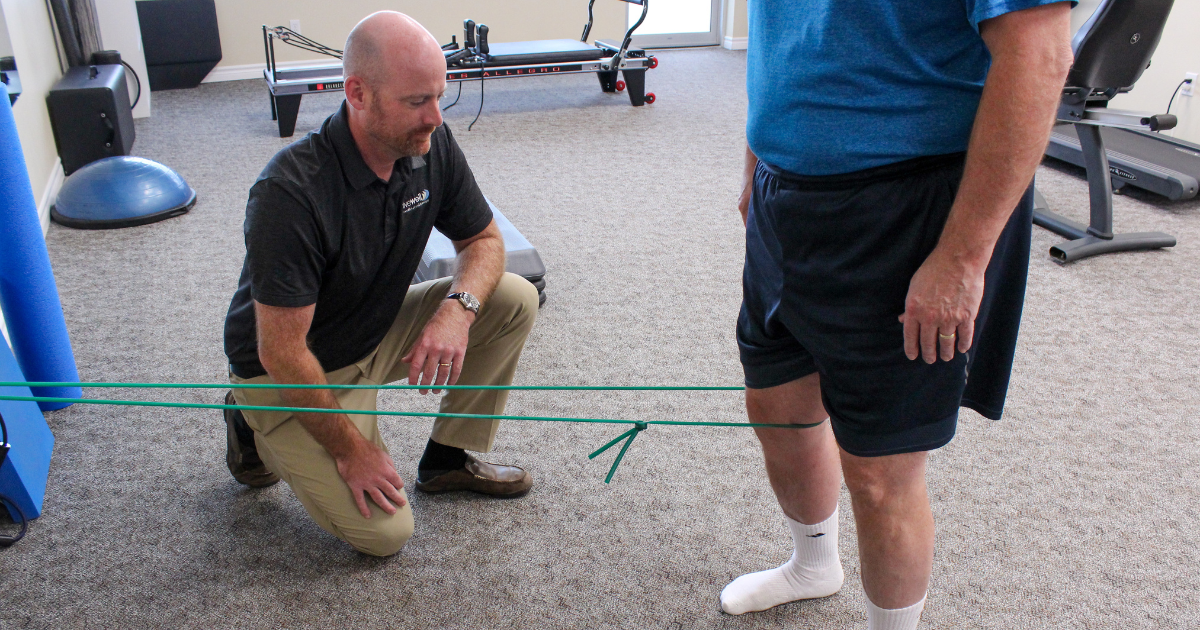
How LiveWell Health and Physiotherapy Supports Your Movement Goals
At LiveWell Health and Physiotherapy, care is personalized and focused on helping you move with confidence. Our team works collaboratively to address pain, restore function, and support long-term wellness.
Whether you are searching for physiotherapy in your local community due to pain, injury, or movement concerns, our clinicians are here to guide you every step of the way.
If you are experiencing pain, stiffness, or movement limitations and are looking for physiotherapy services in Kitchener or Waterloo, our team is here to help.
LiveWell Health & Physiotherapy – Waterloo
4-570 University Ave E, Waterloo, ON N2K 4P2
(519) 880-1733
LiveWell Health & Physiotherapy – Driftwood
8C-450 Westheights Dr, Kitchener, ON N2N 2B9
(519) 570-4247