
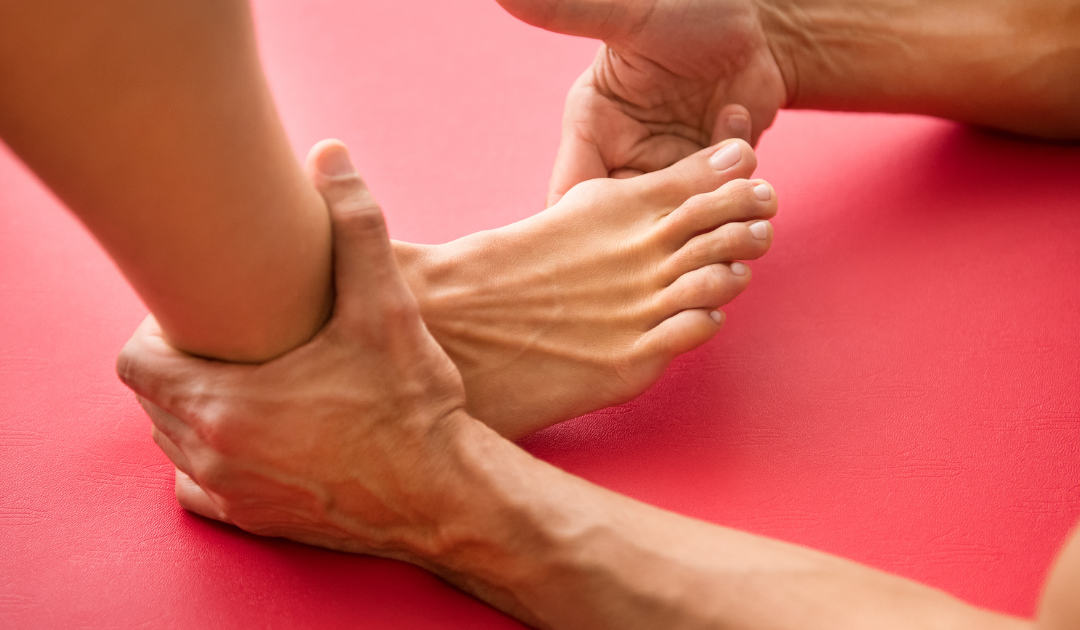
You might have heard the term “Osteopathy” whispered in the gym or recommended by a friend who finally fixed their nagging back pain. But what is it exactly? At LiveWell Health and Physiotherapy, we believe that understanding your body is the first step toward healing it. Osteopathy is not just a treatment for your symptoms. It is a philosophy that views your body as a complete, interconnected system.
Instead of isolating a single area of pain, osteopathy looks at how every part of your body works together. A stiff neck might be linked to poor posture, which could stem from tight hips or even the way you distribute your weight while standing. The body does not function in separate pieces. It operates as one coordinated unit. When one part is restricted, others compensate, and over time, that compensation can lead to discomfort or injury.
Osteopathy focuses on restoring balance within this system. Through hands-on techniques, it helps improve mobility, circulation, and overall function. The goal is not only to relieve pain but to address the root cause and support your body’s natural ability to heal itself. This approach makes osteopathy both a powerful treatment option and a proactive way to maintain long-term health.
What is Osteopathy?
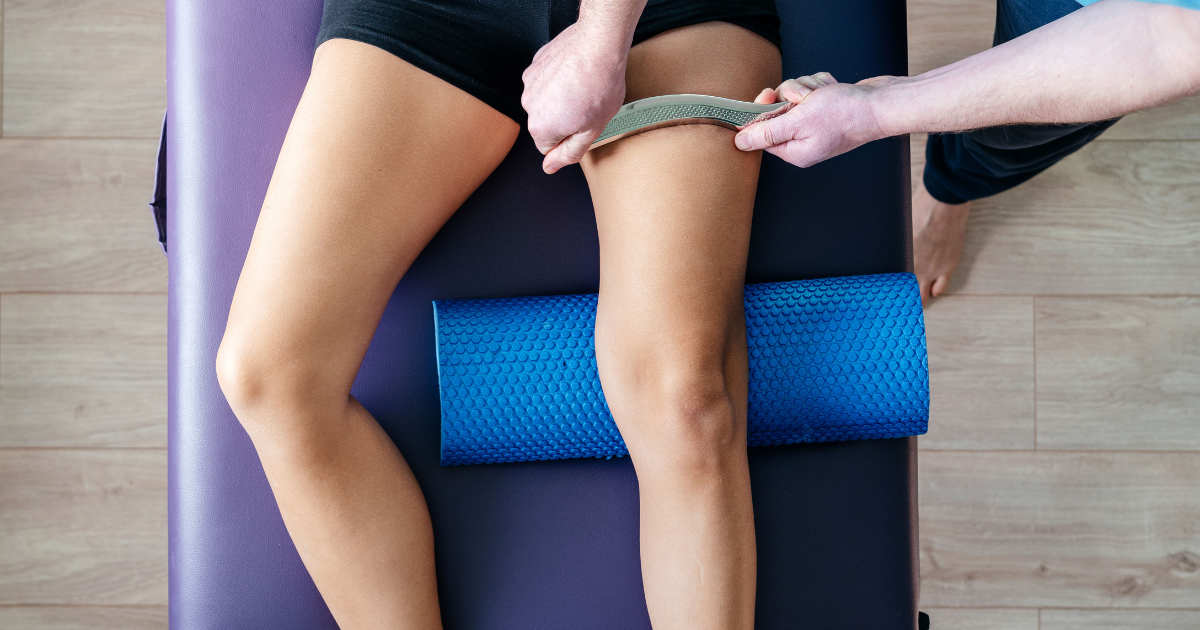
Osteopathy is a form of manual therapy that focuses on the relationship between the structure of the body and how it functions. It is based on the understanding that your well-being depends on your bones, muscles, ligaments, and connective tissue all working smoothly together.
When there is restriction, imbalance, or misalignment in the body, it can interfere with circulation, nerve communication, and movement. Over time, these disruptions can lead to pain, stiffness, fatigue, and even issues that seem unrelated, such as headaches or digestive discomfort.
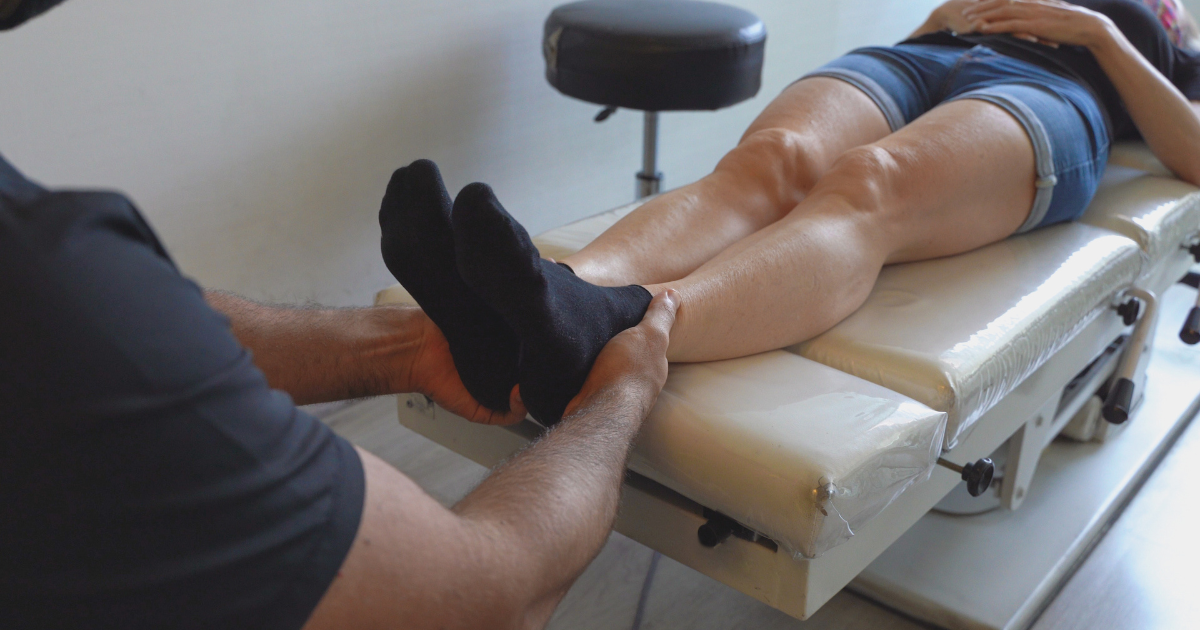
An Osteopathic Manual Practitioner uses skilled, hands-on techniques to assess and treat these imbalances. This might involve gentle joint mobilization, soft tissue work, stretching, or more precise manipulations. Every treatment is tailored to the individual, which means no two sessions are exactly the same.
Osteopathy is not limited to injury recovery. It also plays a key role in prevention, helping your body stay aligned and resilient so small issues do not develop into larger problems.
The Core Pillars
Osteopathy is built on a set of guiding principles that shape how practitioners assess and treat the body.
The Body is a Unit
The body is not a collection of independent parts. Everything is connected. Pain in your foot may be influenced by your hip alignment. Shoulder tension might be linked to how you sit at your desk. Osteopathy takes the entire body into account rather than focusing only on the area that hurts.
Structure Governs Function
The way your body is structured directly affects how it functions. If your spine is not moving properly, it can interfere with your nervous system and limit your range of motion. If joints are restricted, muscles may overwork to compensate, leading to fatigue and strain.
The Body is Self-Healing
Your body has an incredible ability to repair itself. Osteopathy does not force healing. Instead, it removes the physical barriers that prevent your body from doing what it is naturally designed to do. When alignment, circulation, and mobility are restored, healing becomes more efficient.
Why You Should Consider Osteopathy
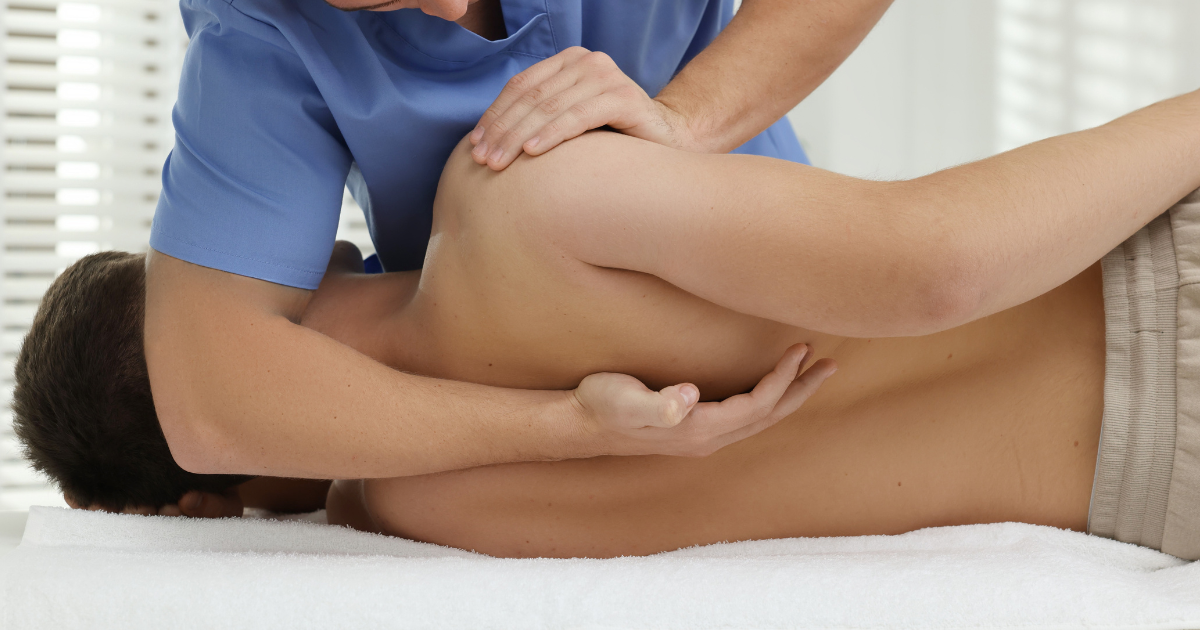
Many people wait until they are in severe pain before seeking help. However, osteopathy is just as valuable for prevention as it is for recovery. Incorporating it into your routine can improve how your body feels and performs every day.
1. Pinpointing the Root Cause
Osteopaths act like detectives for your body. Instead of simply treating symptoms, they investigate the underlying cause of discomfort. This might involve analyzing posture, movement patterns, and muscle imbalances.
By addressing the source of the problem, osteopathy helps reduce the likelihood of recurring pain. This leads to more lasting results and fewer visits in the long run.
2. Improving Circulation and Digestion
Osteopathic treatment often involves techniques that enhance blood flow and lymphatic drainage. Improved circulation means more oxygen and nutrients are delivered to tissues, which supports faster healing and better overall function.
It can also positively impact digestion. By reducing tension in the abdominal region and improving mobility around internal organs, osteopathy can help the digestive system work more efficiently.
3. Stress and Nervous System Balance
Physical tension and mental stress are closely connected. Tight muscles, especially around the neck and shoulders, can keep your body in a heightened state of stress.
Osteopathy helps release this tension, encouraging your nervous system to shift into a more relaxed state. This is often referred to as the “rest and digest” mode. Patients frequently report feeling calmer, lighter, and more focused after treatment.
4. Versatility for All Ages
Osteopathy is adaptable and suitable for a wide range of people. It can support office workers dealing with posture-related discomfort, athletes aiming to enhance performance, and seniors looking to maintain mobility.
Because techniques can be adjusted in intensity and focus, osteopathy remains both gentle and effective regardless of age or physical condition.
Deep Dive: The Systems We Treat
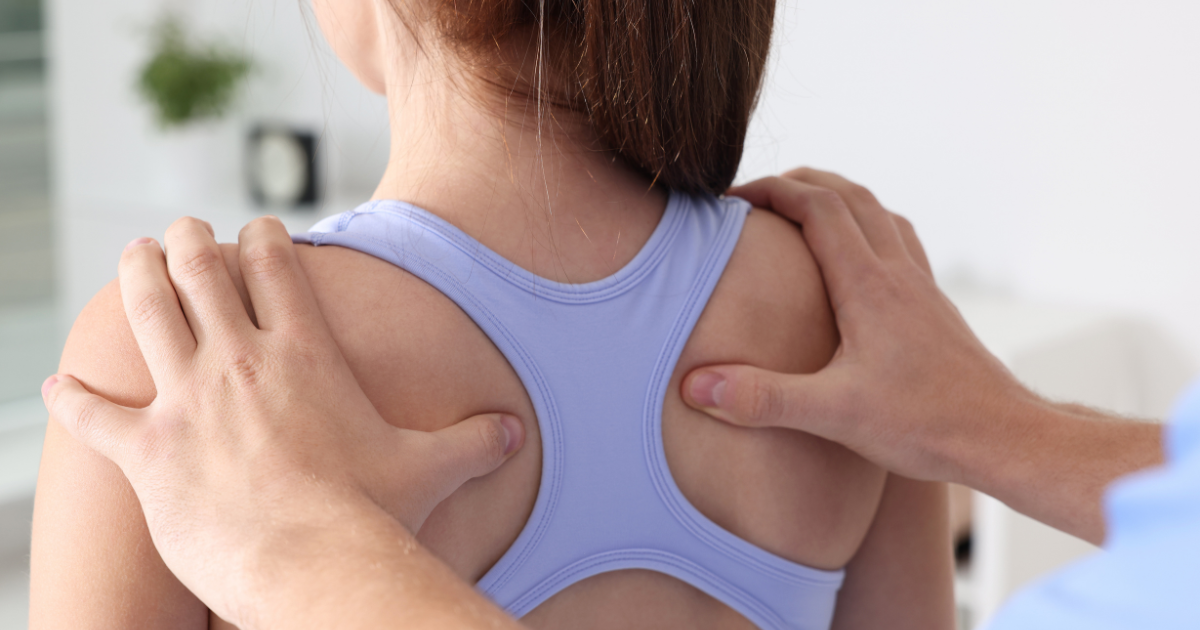
To fully understand osteopathy, it is important to explore how it interacts with different systems in the body. This approach highlights why it is considered a comprehensive and holistic form of care.
The Musculoskeletal System
This system includes your bones, muscles, and joints. It is often the primary focus of treatment. Osteopaths assess how your body moves and identify areas of restriction or imbalance.
For example, if you are experiencing knee pain, the issue may not originate in the knee itself. It could be influenced by ankle instability or pelvic misalignment. By addressing the entire chain of movement, osteopathy helps distribute forces more evenly throughout the body.
The Visceral System
Your internal organs are not fixed in place. They are supported and connected by a network of connective tissue known as fascia. When this system becomes restricted, it can affect both organ function and surrounding structures.
Osteopathy uses gentle techniques to improve mobility within this system. This can relieve tension that contributes to discomfort and support better overall function.
The Cranial System
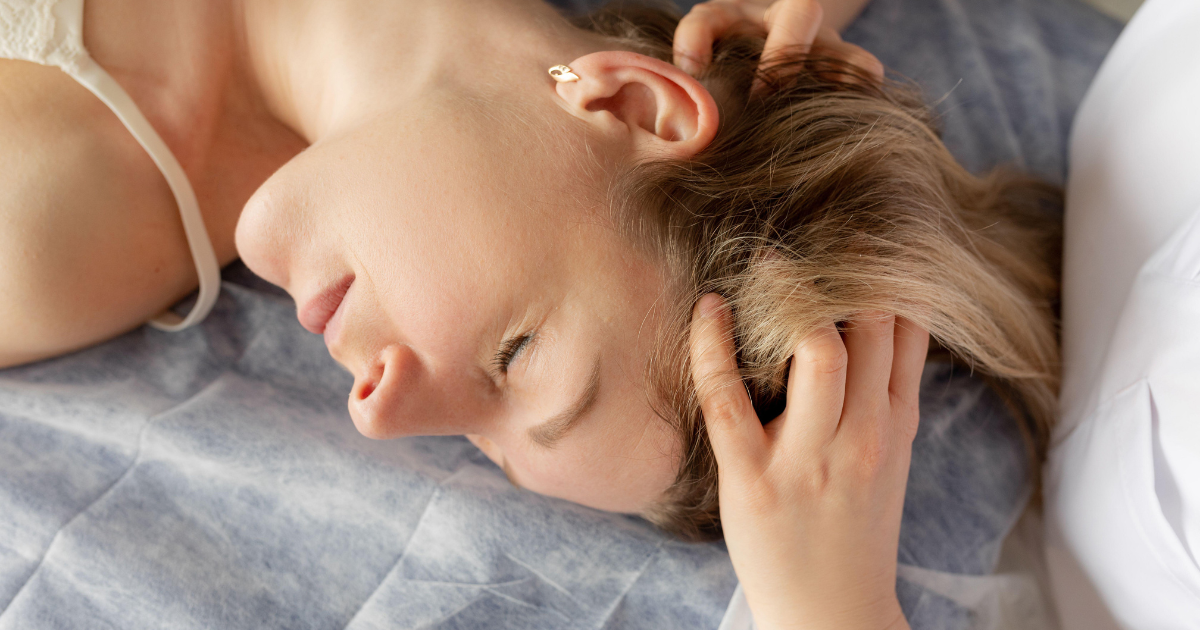
Cranial osteopathy is a subtle and precise form of treatment that focuses on the head and its connection to the rest of the body. It uses very light pressure to release tension and improve the movement of fluids within the body.
This approach is often used for headaches, jaw tension, and stress-related conditions. It can also be beneficial for infants and children, particularly in cases where birth-related strain may have affected their comfort or development.
What to Expect During Your Session
If you are visiting LiveWell Health and Physiotherapy for the first time, your session will focus on understanding your body and your needs.
The Assessment
Your practitioner will begin by asking questions about your health history, lifestyle, and current concerns. This helps build a clear picture of what might be contributing to your symptoms.
You may be asked to perform simple movements such as bending, stretching, or walking. This allows the practitioner to observe how your body moves and identify areas of compensation or restriction.
The Treatment
Treatment is tailored specifically to you. Techniques may include:
- Soft tissue work to release muscle tension
- Stretching to improve flexibility
- Joint mobilization to restore movement
- Specialized techniques to support structural balance
The experience is typically comfortable and relaxing. Many patients notice improvements in mobility and a reduction in tension even after their first session.
Osteopathy vs. Other Therapies
Osteopathy shares similarities with physiotherapy and chiropractic care, but it has a broader focus on the body as a whole.
Physiotherapy often emphasizes rehabilitation through targeted exercises and movement strategies. Chiropractic care frequently focuses on spinal alignment and adjustments.
Osteopathy combines elements of both while expanding its scope to include circulation, organ mobility, and overall systemic balance. The goal is not only to fix a specific issue but to ensure that the entire body is functioning optimally.
Long-Term Benefits and Maintenance
Choosing osteopathy is not just about addressing current pain. It is about investing in your long-term health.
Preventing Degeneration
When joints are not aligned properly, they experience uneven wear over time. This can lead to stiffness, discomfort, and reduced mobility.
Osteopathy helps maintain proper alignment, which reduces stress on joints and supports their longevity. This is especially important as you age.
Enhancing Athletic Performance
For athletes, efficient movement is everything. Restrictions in the body can limit performance and increase the risk of injury.
Osteopathy helps improve flexibility, coordination, and breathing capacity. By optimizing how your body moves, it allows you to perform at your best.
Supporting Everyday Movement
Even if you are not an athlete, your daily activities place demands on your body. Sitting, standing, walking, and lifting all require coordination and balance.
Regular osteopathic care helps ensure your body can handle these demands comfortably and efficiently.
Take Control of Your Movement
Your body is the only place you have to live. Taking care of it should be a priority, not an afterthought. Whether you are dealing with persistent pain, recovering from an injury, or simply looking to move better, osteopathy offers a path toward improved health.
At LiveWell Health and Physiotherapy, our goal is to help you move without restriction and feel confident in your body. By addressing the root causes of discomfort and supporting your body’s natural healing processes, we help you get back to what matters most in your life.
If you have been feeling stiff, experiencing chronic headaches, or noticing that something just feels off, osteopathy could be the missing piece. The sooner you take action, the sooner your body can return to balance.
Your journey to better movement starts with understanding your body. From there, everything else becomes possible.
Visit LiveWell Health and Physiotherapy
If you are ready to experience the benefits of osteopathy, our team is here to help. Visit us at one of our convenient locations:
LiveWell Health & Physiotherapy – Waterloo
4-570 University Ave E
Waterloo, ON N2K 4P2
(519) 880-1733
LiveWell Health & Physiotherapy – Driftwood
8C-450 Westheights Dr
Kitchener, ON N2N 2B9
(519) 570-4247
We look forward to helping you move better, feel better, and live better.