Acupuncture is often one of the most misunderstood treatments in modern healthcare. For many residents in Kitchener and Waterloo, the idea of voluntarily being poked with needles sounds counterintuitive to the goal of feeling better. However, medical acupuncture is a precise, evidence based clinical tool that has been helping people manage pain for thousands of years.
At LiveWell Health and Physiotherapy, we use acupuncture to bridge the gap between ancient wisdom and modern physiology. If you have been curious about this treatment but feel held back by a fear of needles, this guide is for you. We are going to break down the science, the process, and the actual sensations you can expect.
The Evolution of Acupuncture: From Tradition to Science
Acupuncture originated in China over 2,500 years ago. The traditional perspective describes the body as having a flow of energy known as “Qi.” When this flow is blocked, pain and illness occur. Practitioners would use needles at specific points along “meridians” to restore balance.
In 2026, we view acupuncture through the lens of Neuro-Anatomy. Modern medical acupuncture is based on the understanding of the nervous system, muscle tissue, and connective tissue. We are not just moving energy. We are sending specific signals to your brain and spinal cord to change how your body perceives pain and handles inflammation.
The Science of Acupuncture: How It Actually Works
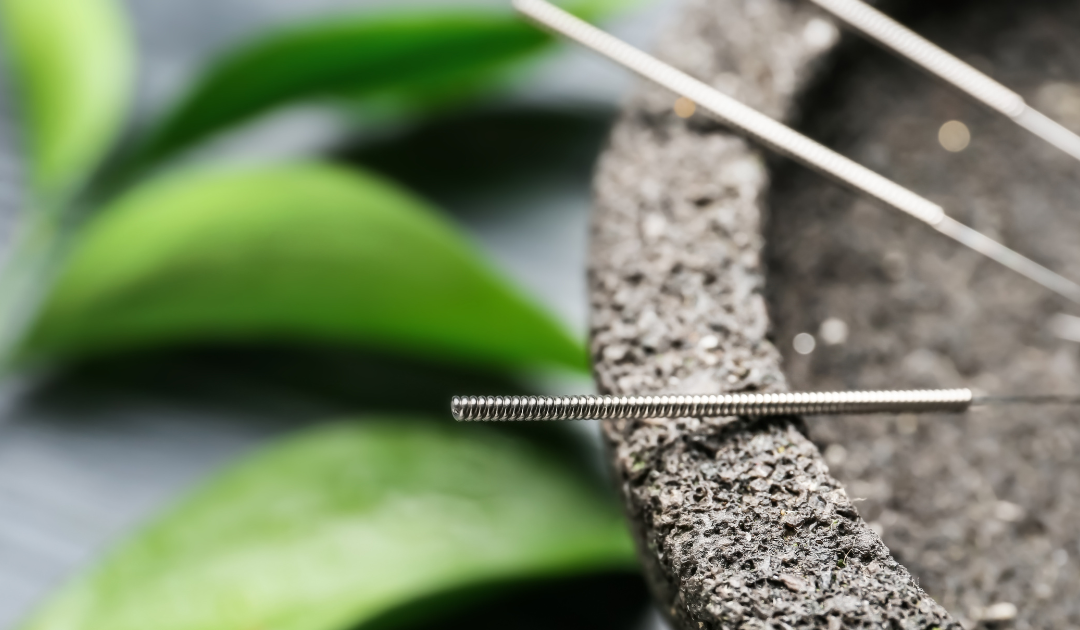
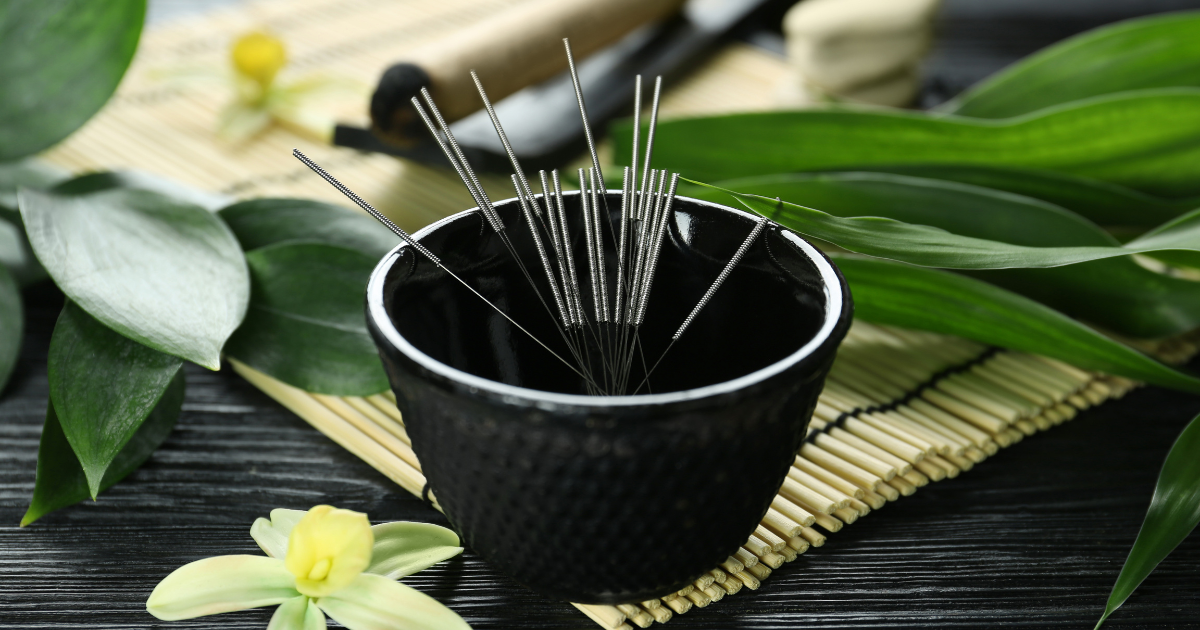
It is important to understand that acupuncture needles differ from the needles used for vaccinations or blood draws. They are much smaller and designed to glide through tissue rather than cut it. When these needles are inserted into specific points, three major biological processes occur.
1. The Local Response
When a needle enters the skin, it creates a “micro-trauma.” This sounds scary, but it is actually beneficial. Your body responds by increasing blood flow to that exact spot, igniting a healing response. This brings fresh oxygen and nutrients to the area, which are essential for repairing damaged tissue or flushing out metabolic waste in a tight muscle.
2. The Hormonal Response (The “Feel-Good” Effect)
Acupuncture stimulates the central nervous system. This causes the brain to release natural chemicals called endorphins and enkephalins. These are the body’s internal painkillers. They are chemically similar to opioids but are produced naturally by your own system. This is why many patients at our Waterloo and Driftwood clinics report feeling a sense of deep relaxation or even euphoria during and after their session.
3. The Gate Control Theory of Pain
Your nervous system can only process so much information at once. By stimulating specific nerve fibres with acupuncture, we can “close the gate” on pain signals traveling to the brain. Think of it like a busy highway. The acupuncture signal is a faster vehicle that takes up all the lanes, preventing the slower “pain” signals from reaching their destination.
Why You Should Not Be Afraid: Debunking the Needle Myth
Fear of needles is a very real thing, but acupuncture needles are in a different category altogether.
- Sterile and Safe: At LiveWell, we use only single use, sterile, disposable needles. There is zero risk of cross contamination.
- Size Matters: About 10 to 12 acupuncture needles can fit inside the opening of a standard hypodermic needle used for a flu shot. They are so flexible they can practically be tied in a knot.
- The Sensation is Not Pain: Most people do not feel the needle enter at all. Once it is in place, you might feel a heaviness, dull ache or a slight tingling sensation. This is known as the “De Qi” sensation and is a sign that the treatment is working. It is a productive feeling, not a sharp or “stinging” pain.
What to Expect During Your Session at LiveWell
We prioritize your comfort from the moment you walk into our Driftwood or University Avenue locations.
The Assessment We never just start needling. Your registered physiotherapist or Naturopathic Doctor will perform a full assessment to ensure acupuncture is the right choice for your specific condition. We look at your movement patterns, your injury or health history, and your goals.
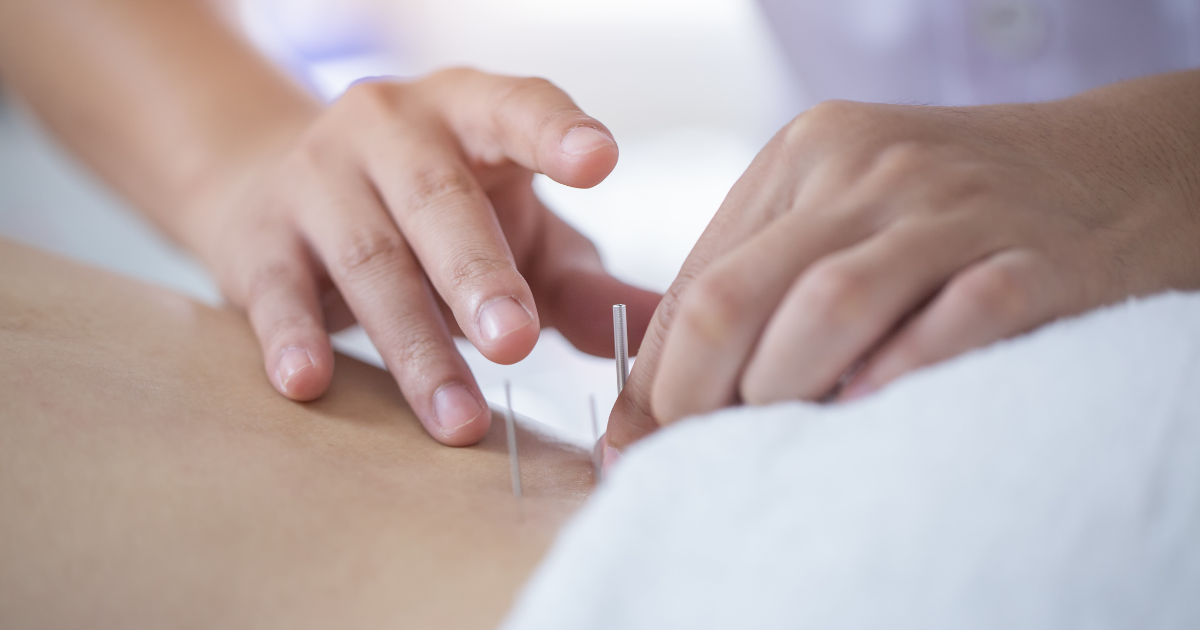
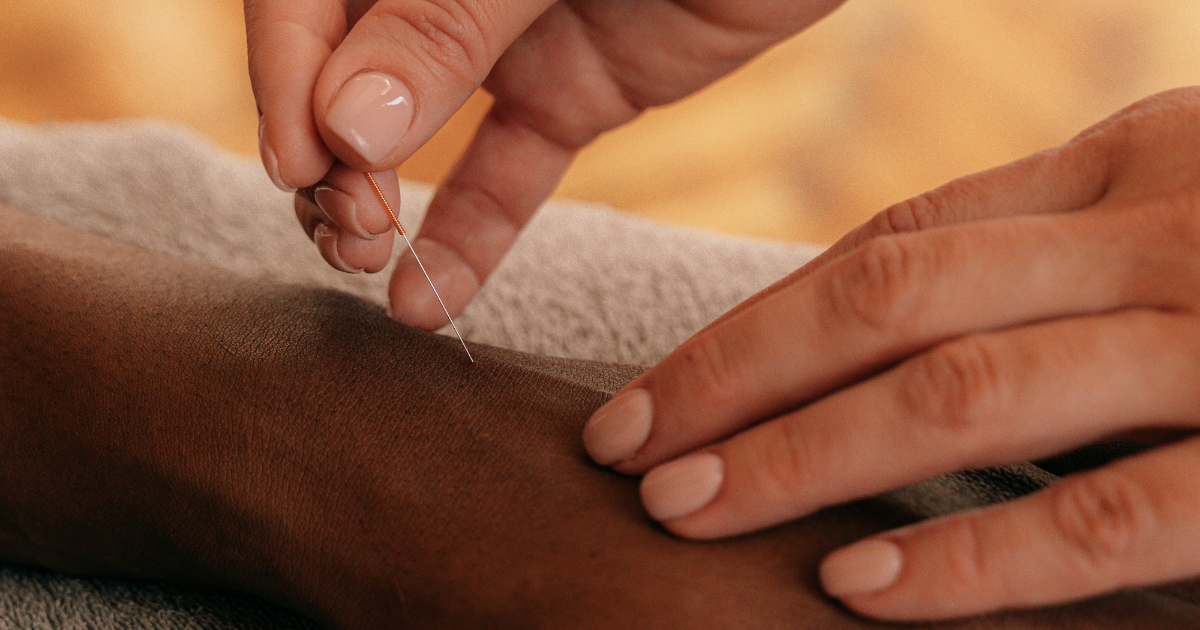
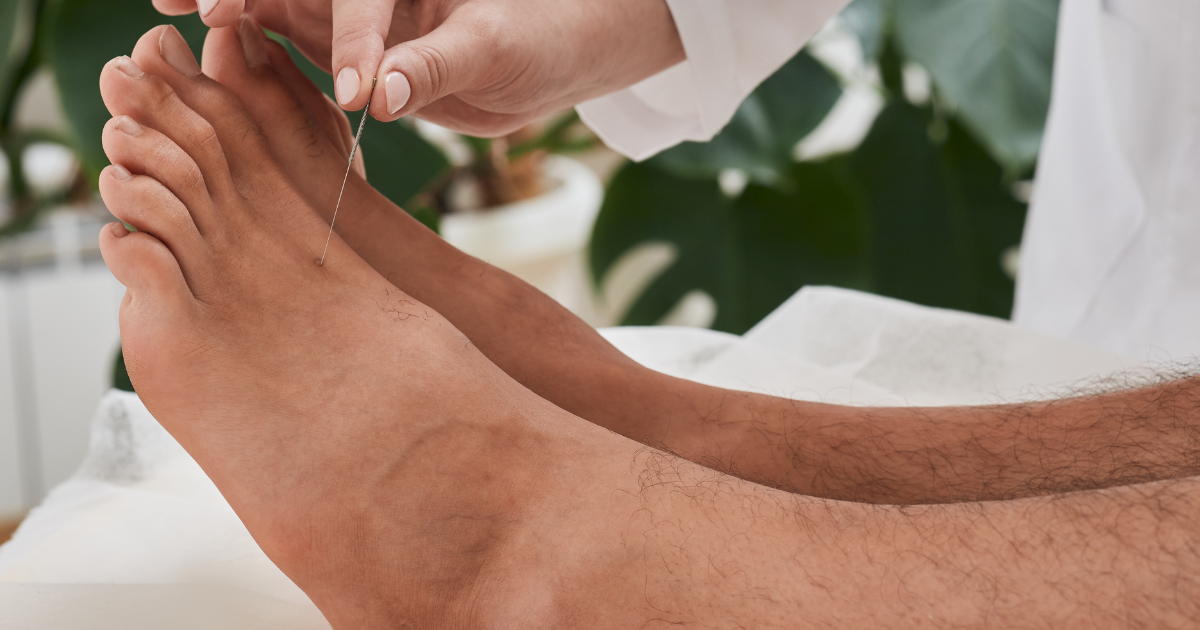
The Insertion You will be placed in a comfortable, relaxed position. Your practitioner will landmark the points of insertion using anatomy and guided by traditional acupuncture points. They will make sure you feel ready, and will gently and quickly insert the needles into the target areas. Depending on your needs, we may leave the needles in for anywhere from 15 to 30 minutes.
The “Rest” This is often the favourite part for our Kitchener-Waterloo patients. While the needles do their work, you get to lie still in a quiet, professional environment. Many people actually fall asleep during this time.
The Removal Removing the needles is quick and painless. Bleeding and bruising may occur at the site of the needle. This generally resolves quickly and is a normal response.
What Can Acupuncture Treat?
Because acupuncture works directly on the nervous system, its applications are incredibly broad. We are manipulating the pathways that control pain, muscle tension, circulation, and organ function. At LiveWell, we frequently use it to address a wide range of structural, visceral, and systemic conditions.
Chronic Lower Back and Neck Pain This is especially common for those in the KW tech hub who suffer from postural strain. Static seated positions cause muscles to lock up, and acupuncture triggers an immediate reset to release that stubborn tension.
Tension Headaches and Migraines By targeting the precise muscles at the base of the skull and reducing nerve sensitivity, acupuncture can significantly reduce the frequency and intensity of chronic headaches.
Sports Injuries We use needles to accelerate healing for localized soft tissue injuries such as tennis elbow, Achilles tendonitis, and runner’s knee by stimulating fresh blood flow directly to the damaged tendons.
Sciatica Acupuncture helps to relax the deep gluteal muscles and lower back tissues, which reduces the physical pressure and irritation on the sciatic nerve.
Stress, Anxiety, and Insomnia The exact reasons acupuncture supports your mood apply directly to your sleep quality. By utilizing the hormonal response to calm the sympathetic nervous system (your “fight or flight” mode), we switch your body into a deep parasympathetic state. Many of our patients report sleeping better after acupuncture sessions even if sleep was not their primary goal. This effect is heavily amplified when we actively design the protocol to target sleep architecture.
Digestive Concerns (IBS, Heartburn, and Constipation) This is one of the most effective, underrated clinical strategies for gut health. Many chronic digestive conditions are deeply rooted in a dysregulation of the nervous system. Because the gut and the brain are constantly communicating, an overactive stress response slows down or disrupts your digestion. Acupuncture helps support the regulation of the nervous system to reduce the hypersensitivity of the gut, ease cramping, and promote proper, fluid digestive movement.
Supporting Fertility, Pregnancy, and Reducing Labour Time This is one of the most remarkable applications of medical acupuncture, and modern clinical research continues to validate its success.
- Fertility Support: Research has shown that utilizing acupuncture alongside fertility treatments significantly increases the baseline chances of conception. We also use specific protocols to help regulate periods, balance hormone production, and increase the likelihood of natural conception.
- Pregnancy Comfort: Once you conceive, acupuncture remains a highly valuable tool. It is a completely safe, drug-free way to manage common prenatal symptoms like morning sickness, severe heartburn, and the structural joint pain that occurs as your body changes shape.
- Third Trimester and Labour Preparation: In the third trimester, we can pivot treatment toward cervical ripening. Research shows that weekly acupuncture treatments starting at week 37 help prepare the uterine muscles and cervix for birth. This proactive care has been shown to significantly reduce the total time spent in stage one and stage two labour, while also lowering overall pain scores during delivery.
The Multidisciplinary Advantage
Acupuncture is rarely used in isolation at LiveWell. It is a powerful tool when integrated into your complete care plan.
- Physiotherapy + Acupuncture Our registered physiotherapists use needles to decrease pain so that you can perform your rehabilitation exercises more effectively.
- Naturopathy + Acupuncture A holistic approach using naturopathic medicine and acupuncture helps support your overall recovery goals. Because our naturopaths also provide acupuncture, they can seamlessly integrate it into your treatment plan alongside internal medicine, lifestyle adjustments, and nutritional strategies to optimize your health from the inside out.
Taking the First Step Toward Relief
Acupuncture is one of the most effective, least invasive ways to jumpstart your body’s natural healing process. You do not have to live with chronic pain, and you do not have to be afraid of the solution. Our team is here to answer every question and ensure you feel safe, informed, and comfortable throughout the entire process.
Contact LiveWell Health and Physiotherapy
Ready to experience the benefits of medical acupuncture? Contact our team today to book your consultation.
LiveWell Health & Physiotherapy – Waterloo
4-570 University Ave E
Waterloo, ON N2K 4P2
(519) 880-1733
LiveWell Health & Physiotherapy – Driftwood
8C-450 Westheights Dr
Kitchener, ON N2N 2B9
(519) 570-4247
Email: info@livewellhealthandphysiotherapy.com