
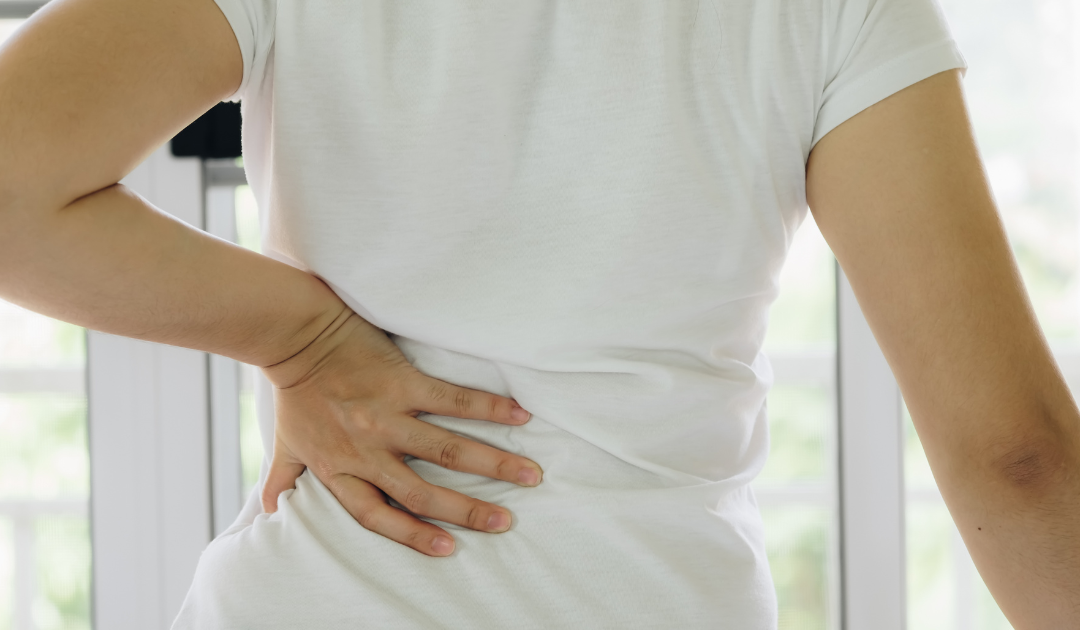
Autumn is peak season for regional athletics and active community gatherings across Kitchener-Waterloo. Local athletes and active residents push their physical limits to accomplish personal bests and support great causes, from competitive athletic tournaments and charity runs to seasonal road races.
Once the finish line is crossed or the final whistle blows, your body enters a critical phase: recovery.
While muscle soreness, fatigue, and systemic tiredness are expected after high-intensity events, high impact and repetitive physical output also put substantial stress on your joints, ligaments, and spinal column.
In recognition of World Spine Day, our clinical team at LiveWell Health and Physiotherapy shares how targeted chiropractic care helps ease micro-strains, clear subtle joint stiffness, and speed up your return to safe, pain-free movement.
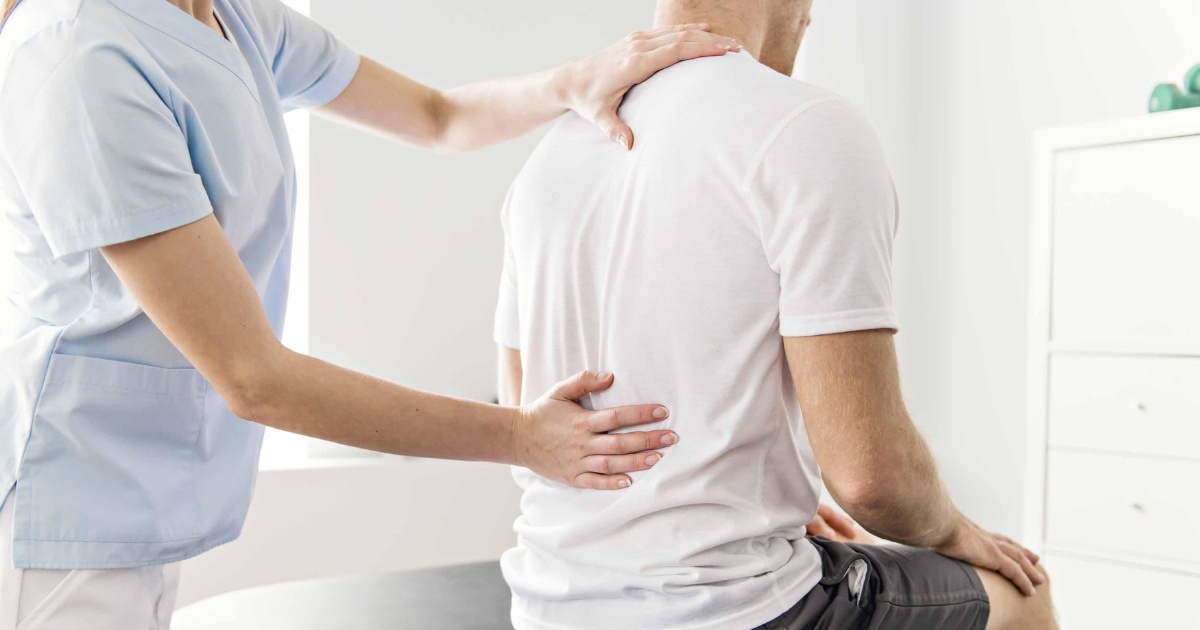
The Impact of High-Intensity Performance on the Spine
Running on hard pavement, competing in multi-game weekend tournaments, or participating in high-intensity sports causes your body to absorb significant forces with every step and sudden direction change.
Athletic Force Impact on the Body
| Stress Trigger | Physical Mechanism | Resulting Symptom |
| Pavement Impact | Repetitive downward compression on foot strikes | Lower back compression and spinal stiffness |
| Rotational Twisting | High torque during sudden direction changes | Pelvic strain and sacroiliac joint discomfort |
| Localized Muscle Fatigue | Exhaustion of primary postural muscles | Loss of core stabilization and extra joint stress |
Compressive Disc Loads
During high-impact running, the downward force exerted on your feet travels up through your legs, pelvis, and lower spine. Over thousands of foot strikes, your intervertebral discs undergo continuous compression, leading to temporary loss of fluid height, which can manifest as lower back stiffness and reduced spinal flexibility.
Rotational Joint Stress
Sports involving sudden bursts, rapid deceleration, or rotational twisting exert high torque on the sacroiliac joints (the crucial connections between your spine and pelvis). When these joints absorb excessive force, subtle micro-misalignments can occur, leading to sharp lower back pain, buttock discomfort, or groin tightness.
Muscular Fatigue and Compromised Joint Tracking
As primary muscle groups become exhausted toward the end of an athletic event, the body instinctively recruits secondary, stabilizing muscles to maintain motion. This compensation shifts force distribution onto surrounding ligaments and joints, creating minor fixations that leave you feeling tight and restricted long after the event ends.
Why Rest Alone Isn’t Always Enough
Taking time off, rehydrating, and getting adequate sleep are essential post-event steps, but passive rest alone may not address underlying joint stiffness.
When a joint in the spine or extremities becomes restricted from intense mechanical strain, surrounding muscle groups stay in a protective, tight state to guard the area. Resuming regular training without clearing these movement limitations causes your body to compensate around them. Over time, these subtle adjustments can result in overuse issues such as:
- Runner’s Knee (Patellofemoral Discomfort)
- Plantar Fasciitis
- Shin Splints
- Recurrent Lower Back or Pelvic Tightness
- Shoulder Impingement
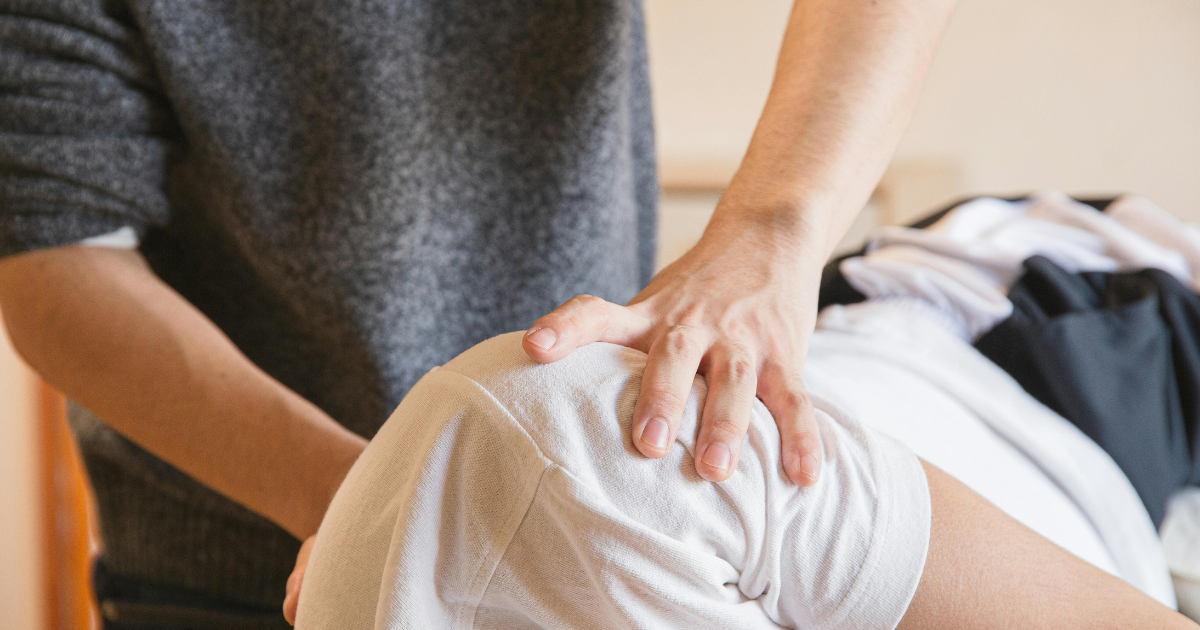
How Chiropractic Care Speeds Up Post-Event Recovery
Chiropractic care offers an effective, non-invasive method for post-event recovery, helping restore optimal biomechanics so your tissue can heal efficiently.
1. Restoring Joint Mobility and Fluid Movement
Targeted chiropractic adjustments restore natural movement to restricted joints in the spine and extremities (such as ankles, knees, and hips). Restoring proper movement encourages the flow of nutrient-rich joint fluid, flushing out metabolic waste and accelerating natural tissue repair.
2. Reducing Nervous System Irritation
Inflammation caused by joint restriction can compress or irritate adjacent spinal nerves, causing muscle spasms and reduced functional strength. Gently clearing joint pressure normalizes nerve communication and encourages chronically tight muscles to relax.
3. Correcting Post-Event Asymmetry
High-intensity efforts frequently expose or worsen subtle physical imbalances. A post-event chiropractic evaluation identifies subtle functional discrepancies, pelvic tilts, or restricted spinal segments, clearing them before you return to routine workouts.
Post-Event Recovery Timeline: What to Do After Your Event
Follow this structured recovery roadmap to maximize your physical recovery following an intense race or tournament weekend:
Post-Event Recovery Timeline
| Recovery Phase | Timeframe | Recommended Action |
| Phase 1: Immediate | 0–2 Hours Post-Event | Light active walking, fluid replenishment, and hydration |
| Phase 2: Short-Term | 24–48 Hours Post-Event | Active mobility, light swimming, and contrast hydrotherapy |
| Phase 3: Clinical Reset | Day 3–5 Post-Event | Professional chiropractic assessment and adjustments |
| Phase 4: Return to Play | Day 6+ Post-Event | Gradual return to full sports training and workouts |
Phase 1: Immediately After (0–2 Hours)
- Light Active Movement: Avoid sitting down immediately after crossing the finish line or leaving the playing field. Walk slowly for 10 to 15 minutes to help flush accumulated metabolic waste from your leg muscles.
- Hydration and Fuel: Replenish fluids, electrolytes, and carbohydrates within 30 minutes to jumpstart muscle glycogen replenishment and tissue hydration.
Phase 2: The First 24 to 48 Hours
- Gentle Active Mobility: Engage in light walking or gentle swimming rather than total bed rest. Avoid intense static stretching on acute, inflamed muscle strains.
- Hydrotherapy: Use warm baths or alternating warm-to-cool showers to stimulate peripheral blood circulation and ease soft tissue soreness.
Phase 3: The Clinical Reset (3 to 5 Days Post-Event)
Schedule Your Chiropractic Evaluation: Book an assessment at LiveWell Health and Physiotherapy. This allows initial acute surface soreness to settle so your practitioner can clearly evaluate deep joint movement, alignment, and tissue tension.
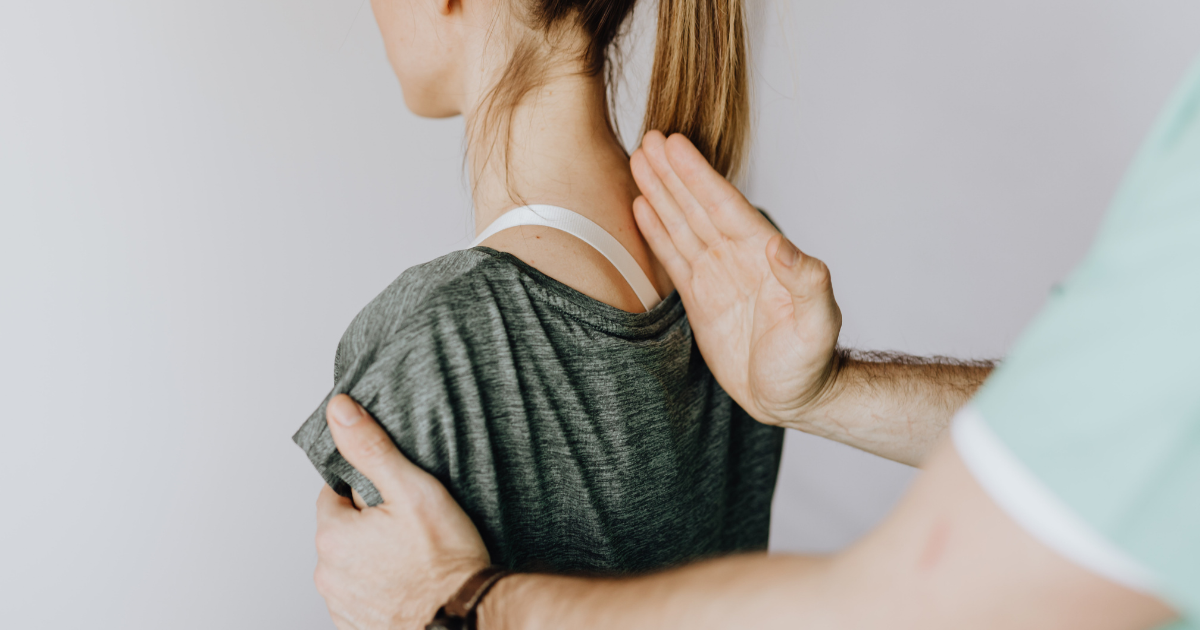
The LiveWell Advantage: Complete Collaborative Sports Recovery
At LiveWell Health and Physiotherapy, our team supports athletic performance and recovery using a comprehensive, integrated model. When you visit our Waterloo or Kitchener clinics, your practitioner works alongside our broader multidisciplinary team to ensure every aspect of your recovery is covered:
- Physiotherapy: Provides targeted active exercises to strengthen weak links, improve movement patterns, and protect vulnerable joints.
- Chiropractic Care: Restores motion to restricted spinal and peripheral joints to improve mechanical function.
- Massage Therapy: Releases deep muscle tension, breaks up localized tissue tightness, and promotes overall recovery.
- Osteopathy: Restores fluid motion across interconnected muscle and fascial systems to balance structural strain after intense competition.
- Supporting Care Options: We also offer custom orthotics to optimize foot impact, alongside acupuncture to ease lingering discomfort.
Ready to Reset Your Body for Your Next Challenge?
Do not let post-event stiffness turn into a long-term chronic issue. If you recently competed in a local sports tournament, completed a fall road race, or participated in a community charity event, our team at LiveWell Health and Physiotherapy is here to help you recover quickly and safely.
Celebrate World Spine Day by giving your spine and joints the specialized care they need to keep you moving at your best.
Book Your Post-Event Assessment:
LiveWell Health & Physiotherapy – Waterloo
4-570 University Ave E
Waterloo, ON N2K 4P2
(519) 880-1733
LiveWell Health & Physiotherapy – Driftwood
8C-450 Westheights Dr
Kitchener, ON N2N 2B9
(519) 570-4247
Email: info@livewellhealthandphysiotherapy.com
Direct billing with major insurance providers is available at all LiveWell locations.