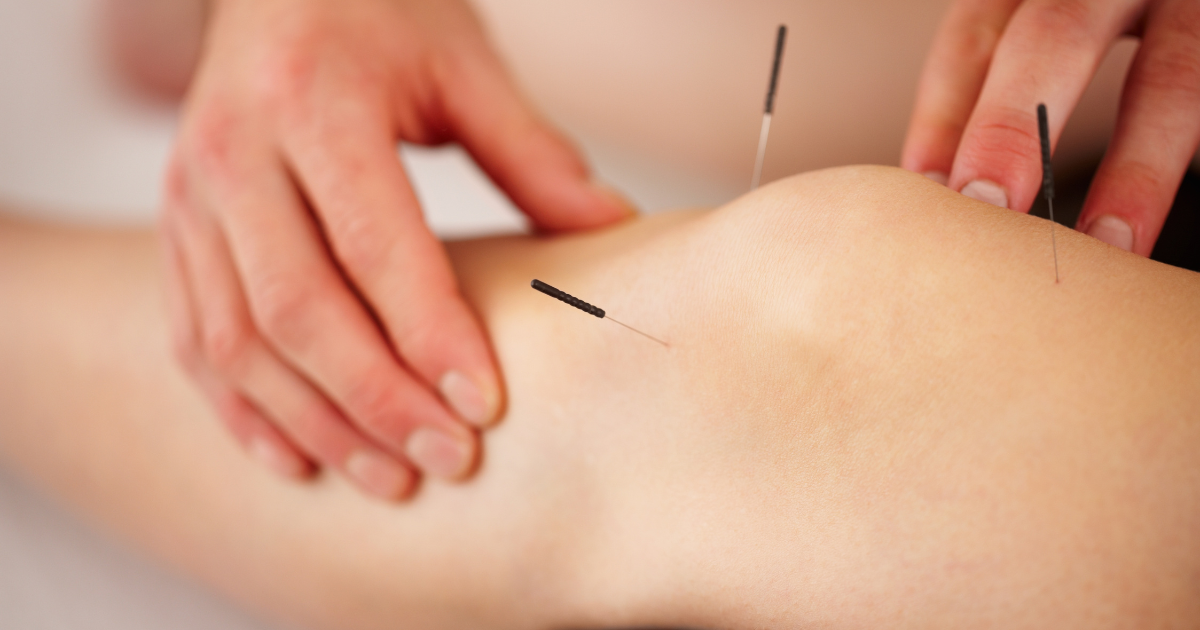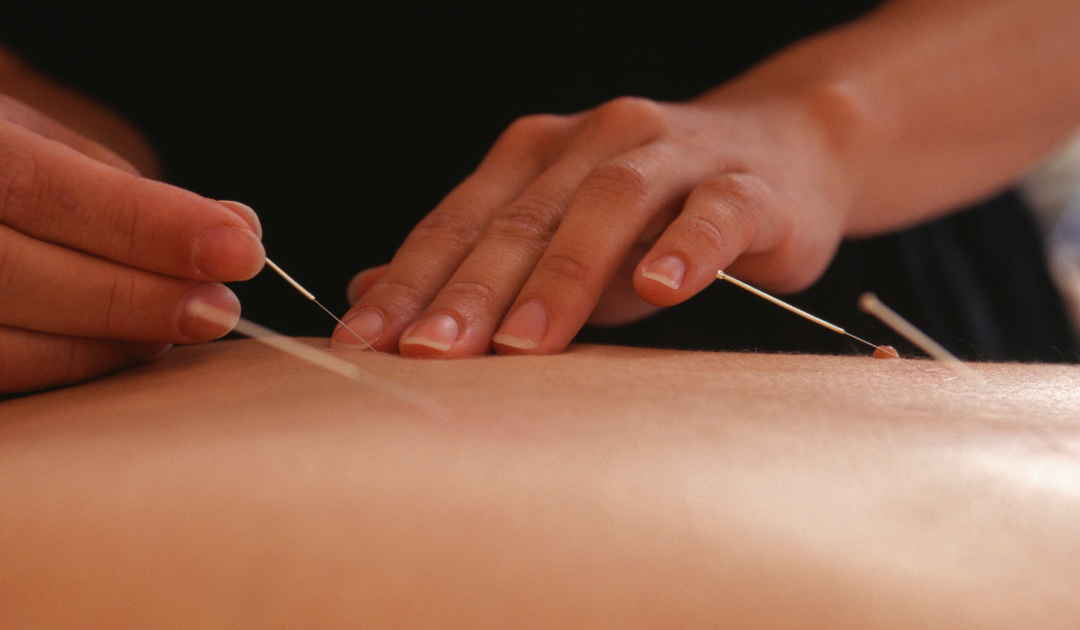
You have just finished your session at LiveWell Health and Physiotherapy. Whether you saw our team at the Driftwood clinic in Kitchener or our University Avenue location in Waterloo, you are likely leaving the table feeling a mix of relaxation and slight “heaviness.” This is a sign that your nervous system is responding to the treatment.
However, the work does not end when you walk out our doors. Acupuncture is a biological catalyst. It triggers a cascade of chemical and neurological changes that continue for up to two days. To get the full value of your investment, you need to understand how to manage your body during this critical window.
The Science of the “Post-Treatment Window”
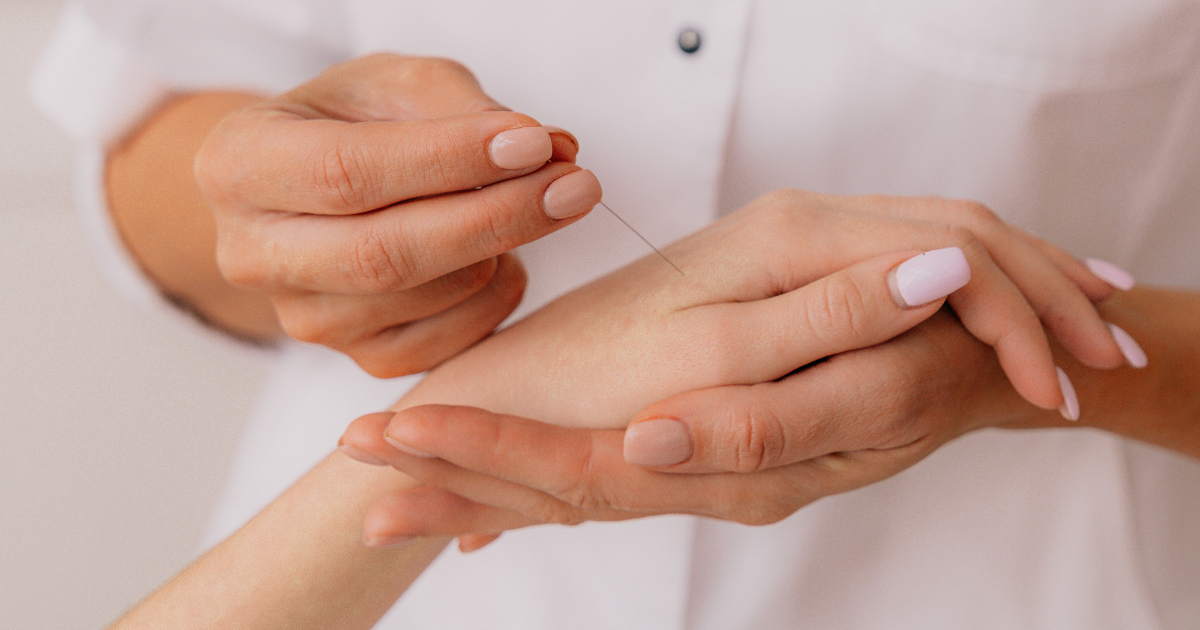
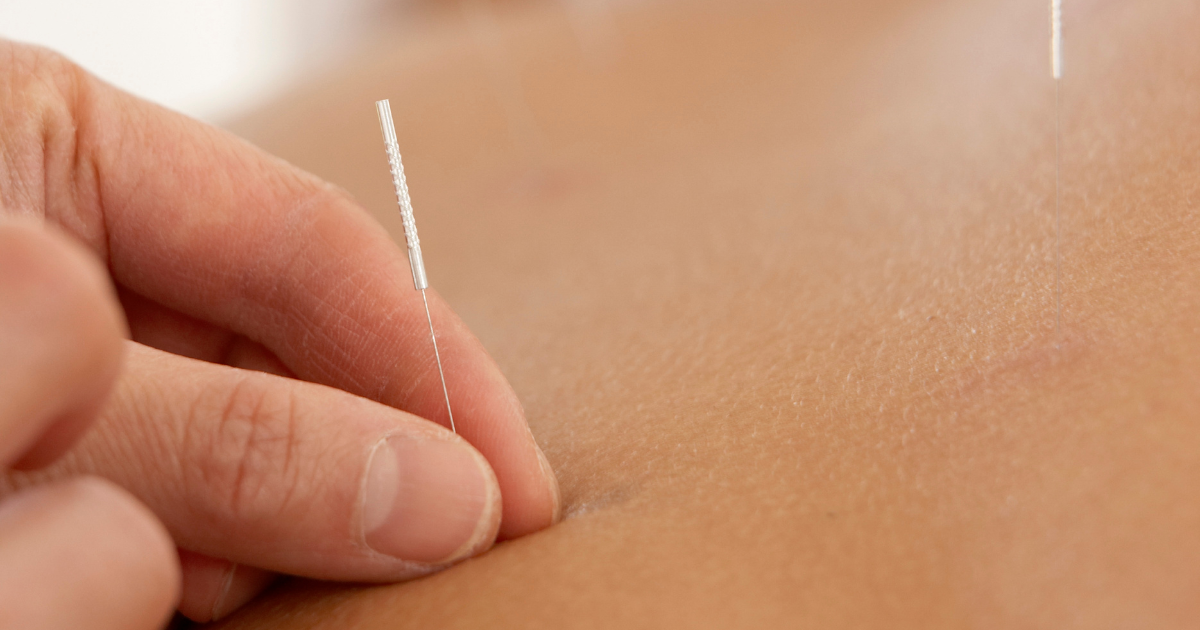
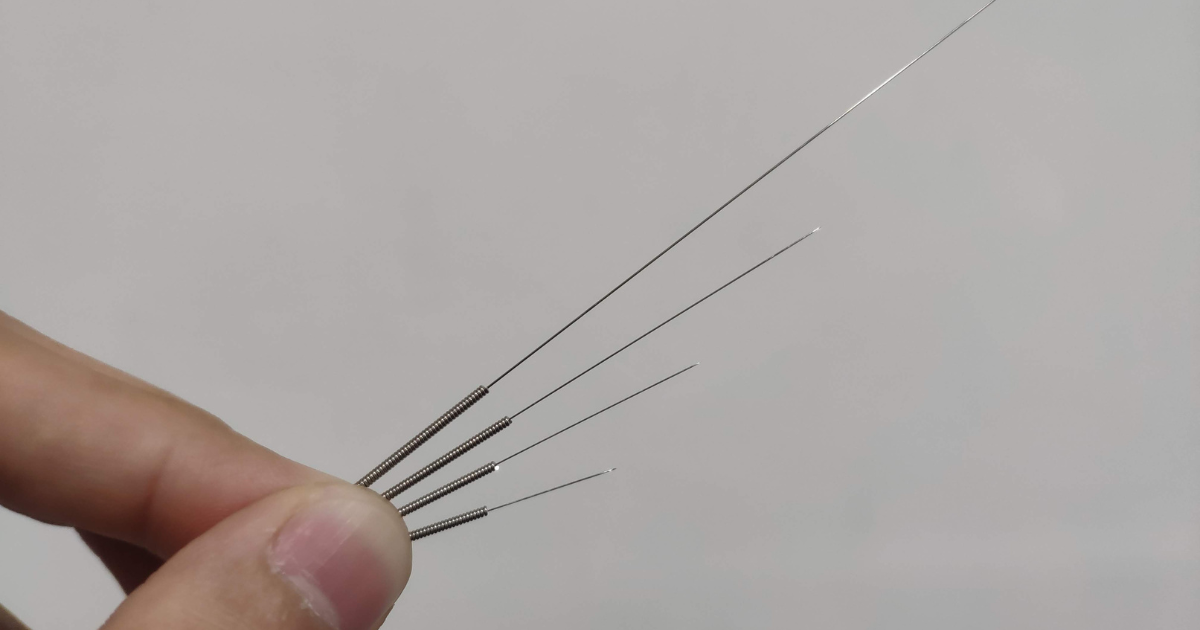
To understand post-care, you have to understand the physiological shift that just occurred. When our practitioners insert hair-thin needles into specific neurovascular points, they are essentially “resetting” your body’s alarm system.
During the session, your brain released a flood of endorphins and enkephalins. These are your body’s natural opioids. At the same time, the needles caused “micro-circulation” in the local tissue, flushing out stagnant fluids and bringing in fresh, oxygenated blood. Your body is now in a state of high plasticity. It is deciding whether to return to its old, painful patterns or to adopt the new, relaxed state we just initiated. The 48 hours following your appointment will determine that outcome.
Immediate Protocol: The First Six Hours
The first few hours after leaving LiveWell are about stabilization. Your parasympathetic nervous system (the “rest and digest” mode) is currently dominant.
Why Hydration is a Mechanical Necessity
You will always hear us say “drink water,” but the reason is purely mechanical. Acupuncture causes muscles to release metabolic waste products that have been trapped in the fibers for weeks or months. Once the muscle relaxes, these substances enter the bloodstream to be filtered by your kidneys.
If you are dehydrated, your blood is thicker and less efficient at transporting these waste products. This can lead to a “sluggish” feeling or a mild post-treatment headache. We recommend an extra 500ml of water immediately following your session to support this internal filtration process.
Avoiding the “Caffeine Spike”
In a busy city like Kitchener-Waterloo, it is tempting to grab a coffee and head straight back to a high-pressure environment. We advise against this. Caffeine is a stimulant that triggers the sympathetic nervous system (the “fight or flight” response). Using stimulants immediately after acupuncture can blunt the effects of the natural endorphins we just worked to release. Try to give your body at least three hours of “stimulant-free” time to allow the relaxation response to settle.
Managing the “Acupuncture Hangover”
Some patients experience what we call a “healing crisis” or a “rebound effect.” You might feel unusually tired, or your original pain might feel slightly intensified for a few hours.
This is a normal biological response. It means your body is actively processing the neurological signals from the needles. If you feel a “heavy” sensation in your limbs, it is a signal to slow down. Deep sleep is when the majority of tissue remodelling and cellular repair happens. By going to bed an hour earlier on the night of your treatment, you are giving your body the energy it needs to complete the healing cycle.
Workplace Integration for the KW Tech Community
Many of our patients are developers, engineers, and office professionals in the Kitchener-Waterloo tech hub. For this demographic, the biggest threat to acupuncture progress is the “Static Load Trap.”
Breaking the Postural Lock
If you receive treatment for neck and shoulder tension and then immediately sit at a desk for five hours, you are physically “locking” your muscles back into the very position that caused the problem.
For our KW office workers, we suggest the “Movement Audit” for the first 24 hours:
- Variable Positions: Alternate between sitting and standing every 20 minutes.
- The Shoulder Roll: Every time you finish an email, perform three gentle shoulder rolls to maintain the mobility we achieved in the clinic.
- Eye Level Check: Ensure your monitor is at the correct height so you are not “poking” your chin forward, which puts immediate strain on the freshly treated cervical muscles.
Supporting Senior Mobility in Waterloo
For our older patients, post-acupuncture care is focused on safety and the preservation of movement. Acupuncture is a primary tool we use at LiveWell to manage osteoarthritis and chronic joint stiffness.
- Stability First: Because acupuncture can cause a deep state of relaxation, it can occasionally lower blood pressure slightly. We encourage our seniors to stand up slowly and ensure they feel perfectly stable before leaving the clinic.
- Gentle Circulation: While we advise against heavy lifting, we do not want you to be sedentary. A light walk through your neighbourhood or a local park keeps the joints lubricated and ensures the increased blood flow from the treatment continues to circulate through the extremities.
Temperature Control: Heat vs. Cold
One of the most common questions we get at our Kitchener and Waterloo locations is whether to use ice or heat after a session.
The Case for Heat: Acupuncture is an “opening” therapy. It aims to increase flow and decrease tension. Gentle warmth (like a warm bath or a heating pad on a low setting) supports this by keeping the blood vessels dilated and the muscles soft.
The Case Against Ice: We generally recommend avoiding ice for 24 hours after acupuncture. Ice causes “vasoconstriction,” which is the narrowing of blood vessels. It also causes muscle fibers to contract. Applying intense cold can essentially “shut down” the circulatory benefits of the needles. Unless you have a fresh, acute injury with significant swelling, stick to ambient warmth.
The Multidisciplinary Synergy: Enhancing Your Results
LiveWell is a multidisciplinary clinic because we know that no single therapy exists in a vacuum. How you combine acupuncture with our other services changes your post-care needs.
LiveWell is a multidisciplinary clinic because we know that no single therapy exists in a vacuum. How you combine acupuncture with our other services changes your post-care needs.
Acupuncture + Massage Therapy
If you have a massage booked at our Kitchener (Driftwood) or Waterloo clinic shortly after acupuncture, the massage therapist can work deeper with less pain because the acupuncture has already lowered your nervous system’s sensitivity. Post-care involves doubling your water intake, as both therapies are releasing metabolic waste.
Physiotherapy + Acupuncture
Following a needling session with your physiotherapist to treat structural, joint, or athletic injuries, avoid any high-impact activities like running, jumping, or heavy weightlifting for a full 48 hours. Your muscle fibres and tendons need this critical window to process the localized tissue healing and the deep neurological shifts triggered by the treatment. Pushing too hard too soon can cause the muscle guarding to return.
Naturopathy + Acupuncture
When receiving acupuncture from your naturopathic doctor for systemic issues like chronic stress, hormonal regulation, or digestion, your post-care should focus entirely on calming your nervous system. Rest as much as possible over the next 48 hours. Keep your schedule light, stay well-hydrated, and avoid heavy, processed, or highly inflammatory meals to allow your digestive and metabolic pathways to fully settle into a healing state.
What is Normal? (And What is Not)
It is important to recognize the difference between a productive healing response and a rare side effect.
Normal Occurrences:
- Insertion Site Tenderness: A mild “bruised” feeling at the site of the needles for 12 to 24 hours.
- Small Bruises: This is simply a local circulatory response and is not dangerous.
- Improved Sleep: Many patients report the best sleep of their month on the night of treatment.
- Emotional Shift: A feeling of lightness or a temporary increase in emotional sensitivity as physical tension is released.
Rare Occurrences to Report: If you experience significant swelling, a persistent sharp pain that does not fade, or a fever, please call our Waterloo or Kitchener clinic immediately. While these are extremely rare in a clinical setting, we want to be informed so we can guide you.
The 48-Hour Checklist
Follow this simple protocol after every visit to LiveWell Health and Physiotherapy:
- Hydrate: Drink 500ml of water immediately and stay consistent for two days.
- Move Gently: Avoid the gym for 24 hours. Opt for walking or light stretching instead.
- Monitor Temperature: Avoid ice packs and cold plunges.
- Eat the rainbow: Fruits and vegetables are rich in nutrients and antioxidants which help support recovery and tissue repair.
- Observe: Take note of how your pain levels change. This data is vital for your practitioner at your next visit.
Taking Ownership of Your Recovery
The needles are only one part of the equation. The way you treat your body in the hours following your appointment at LiveWell determines how quickly you heal and how long your results last. By respecting the 48-hour window, you are moving from reactive pain management to proactive health optimization.
We are proud to serve the Kitchener and Waterloo communities with evidence-based medical acupuncture. If you have any questions about your specific recovery plan, our team is always available to help.
LiveWell Health & Physiotherapy – Waterloo
4-570 University Ave E
Waterloo, ON N2K 4P2
(519) 880-1733
LiveWell Health & Physiotherapy – Driftwood
8C-450 Westheights Dr
Kitchener, ON N2N 2B9
(519) 570-4247
Email: info@livewellhealthandphysiotherapy.com