
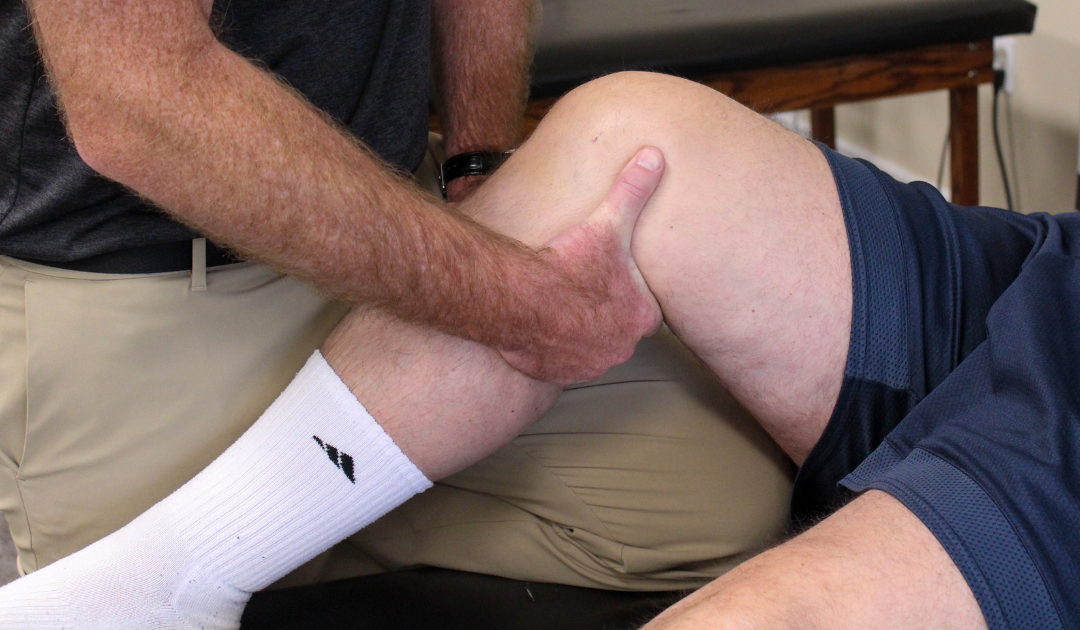
Walking into a physiotherapy clinic for the first time can feel a bit like visiting a mechanic when you don’t know anything about cars. You know something is wrong, but you might not have the vocabulary to describe it, and you certainly aren’t sure what the “repair” process looks like.
At LiveWell Health and Physiotherapy, we believe that the most successful recoveries happen when patients are active participants in their care. The “patient-practitioner” relationship is a partnership. To get the most out of this partnership, you need to feel comfortable asking questions.
In this guide, we will cover the vital questions you should keep in mind before, during, and after your physiotherapy sessions to ensure you are getting the highest quality care.

1. Questions for Your Initial Assessment
The first visit is the foundation of your entire treatment plan. This is where we gather data, test your movements, and set a baseline.
What is the actual “Why” behind my pain?
It is one thing to know that your knee hurts. It is another thing entirely to know that your knee hurts because your hip is weak and your ankle is stiff. Understanding the “why” helps you stay motivated during your exercises because you can see the logic behind the movements.
What should I expect from the treatment process?
Physiotherapy is rarely a one-hit wonder. It is a process of retraining the body. Ask your therapist for a general roadmap. Does this look like twice-a-week sessions for a month? Or a monthly check-in for a year?
What should I wear?
This is a practical but important question! To get an accurate assessment, your therapist needs to see how your joints move. If you have a shoulder issue, a tank top is best. For knee or hip issues, please bring shorts. Comfort is key.
2. Questions About the Treatment Plan
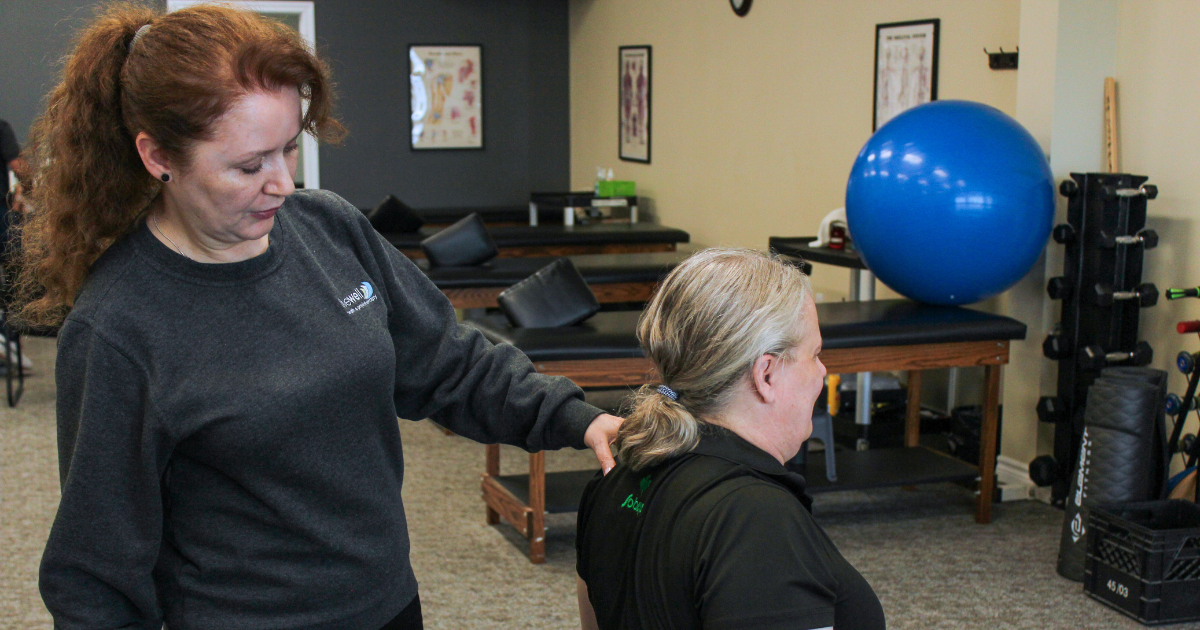
Once the assessment is done, your therapist will propose a plan. This is your chance to ensure the plan fits your lifestyle.
How long until I see results?
While every body heals at a different rate, your therapist can give you milestones. For example, “We expect the sharp pain to subside in two weeks, and we want to return to running in six weeks.” Having these markers helps keep you on track.
What happens if I miss a home exercise session?
Life happens. Sometimes you miss a day of your home exercise program (HEP). Ask your therapist which exercises are the “non-negotiables” and which ones are supplementary. This helps you prioritize when you are short on time.
Are there activities I should avoid right now?
Sometimes, in our eagerness to get better, we keep doing the very thing that is aggravating the injury. Ask for specific “No-Go” zones. Should you stop heavy lifting for now? Should you avoid sitting for more than 30 minutes?
3. Understanding the Techniques
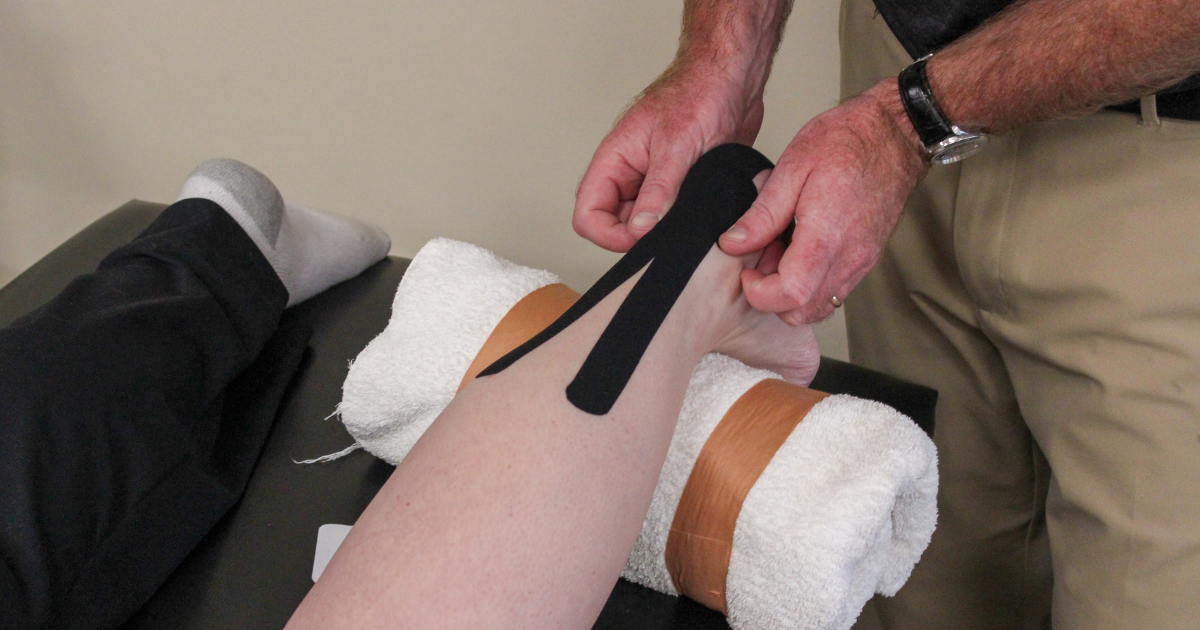
Physiotherapy involves many different modalities. If your therapist suggests a specific treatment, do not be afraid to ask about it.
What is Manual Therapy and why are you using it?
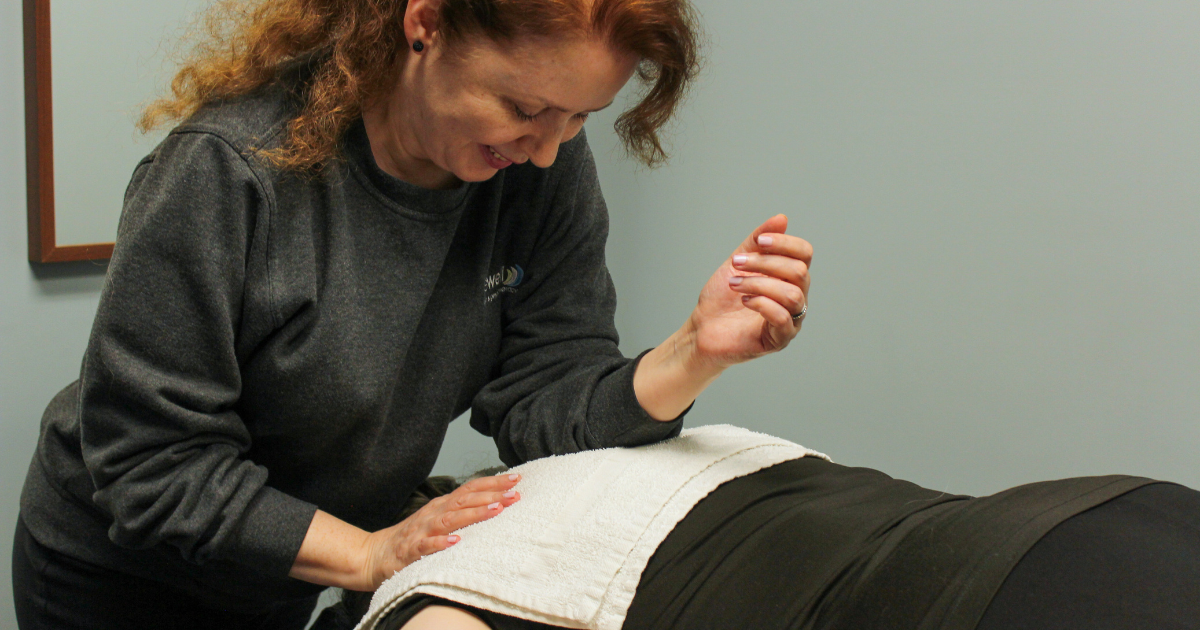
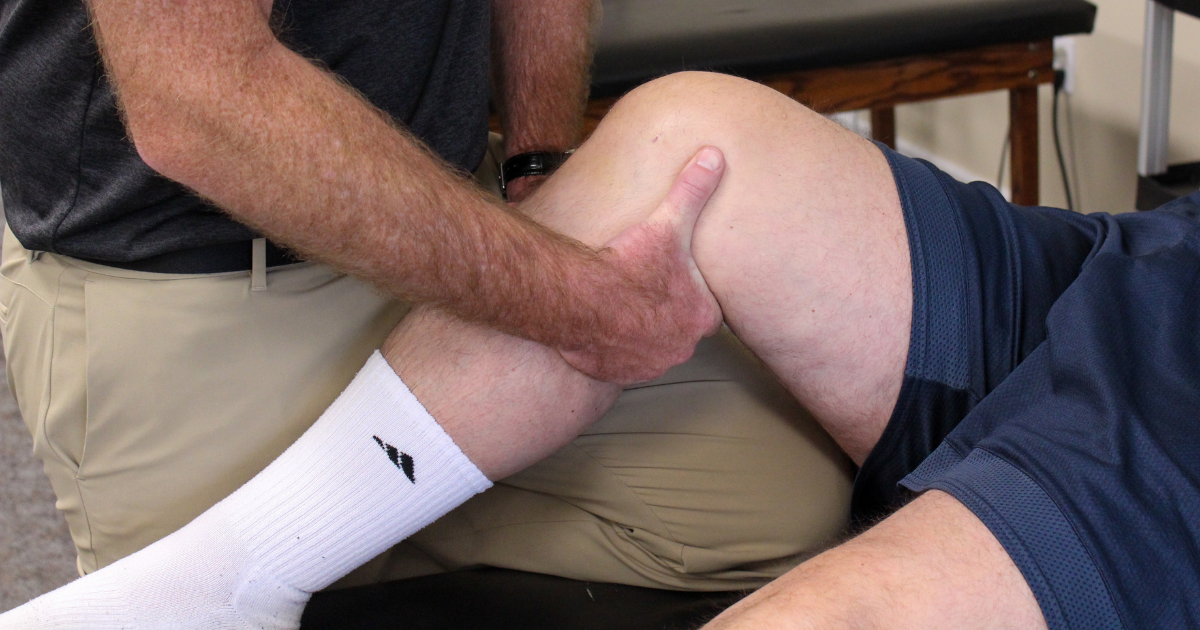
Manual therapy includes hands-on techniques like joint mobilization or soft tissue work. It is often used to “quiet down” a nervous system or unlock a stiff joint so that you can exercise more effectively.
How does Acupuncture fit in?
At LiveWell, we often use this tool to manage pain and trigger points. If you are nervous about needles, ask how they work to relax the muscle and what the sensation will be like.
Is this supposed to hurt?
There is a difference between “productive discomfort” (like a deep stretch or working a tired muscle) and “danger pain” (sharp, stabbing, or radiating sensations). Always ask your therapist to clarify what you should be feeling during a specific movement.
4. Questions for Long-Term Success
The goal of physiotherapy is not just to get you out of pain, but to keep you out of pain.
How can I prevent this from happening again?
Once you are feeling 100%, the conversation should shift to maintenance. What lifestyle changes or ongoing exercises will keep this injury in the past?
Do I need other types of care?
One of the benefits of the LiveWell approach is our multidisciplinary team. Ask your physiotherapist if you would benefit from:
- Massage Therapy for recovery and stress reduction.
- Chiropractic Care for spinal alignment.
- Pelvic Physiotherapy if you have core or pelvic concerns.
- Naturopathy to look at inflammation through nutrition.
5. Navigating the Logistics
Do I need a doctor’s referral?
In Ontario, you do not need a doctor’s referral to see a physiotherapist. However, some private insurance companies still require one for reimbursement. It is always a good idea to check your specific policy.
How does direct billing work?
At LiveWell, we try to make things as easy as possible by offering direct billing to most major insurance providers. Ask our front desk team during your first visit to see if your plan is covered.
Empowerment Through Information
Physiotherapy is an investment in your physical capital. By asking these questions, you transition from being a passive recipient of care to an active driver of your own health.
Remember, there are no “silly” questions when it comes to your body. Our team at the Waterloo and Driftwood clinics is here to provide clarity, support, and expert guidance every step of the way.
Ready to start your journey? If you have been experiencing any of the Signs You Might Want To Start Physiotherapy, then the next step is to get your questions answered in person.
Book your assessment with a LiveWell professional today.
LiveWell Health & Physiotherapy – Waterloo
4-570 University Ave E, Waterloo, ON N2K 4P2
(519) 880-1733
LiveWell Health & Physiotherapy – Driftwood
8C-450 Westheights Dr, Kitchener, ON N2N 2B9
(519) 570-4247