

When winter arrives, our bodies often react before we realize it. Shorter days, colder temperatures, and busier schedules can make you feel tight, heavy, or out of sync. You might notice new stiffness in your back, slower recovery after activity, or a lingering sense that your body just feels “off.”
At LiveWell Health and Physiotherapy, our Osteopathic Practitioners understand that every part of your body is connected. If one area becomes restricted, the entire system compensates. Osteopathy helps restore that balance. It is a gentle, hands-on approach that improves movement, relieves pain, and encourages your body’s natural ability to heal.
This season, as schedules fill up and tension builds, osteopathy offers an opportunity to realign, relax, and move through winter with ease.
Understanding Osteopathy
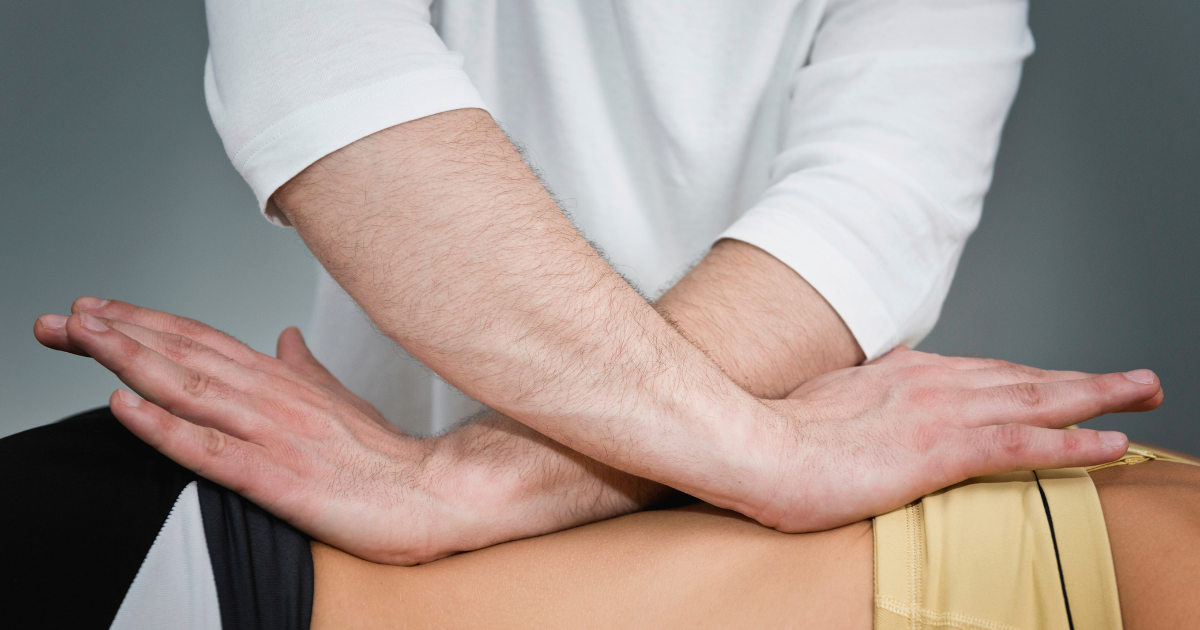
Osteopathy is a form of manual therapy that focuses on how the body’s structure and function work together. Rather than treating only the site of pain, Osteopathic Practitioners look at how bones, muscles, ligaments, and fascia interact as one integrated system.
When movement in one area is restricted, the rest of the body compensates, which can create pain or fatigue over time. Osteopathic treatment uses gentle manipulation, stretching, and subtle adjustments to restore mobility and improve circulation.
The Core Principles of Osteopathy
- The body is a unit. Each system—muscular, skeletal, circulatory, and nervous—works in harmony.
- Structure and function are interrelated. How your body is built affects how it moves and performs.
- The body has self-healing mechanisms. Osteopathy supports these natural processes rather than overriding them.
- Treatment is individualized. Every person’s movement patterns, posture, and tension are unique.
These principles make osteopathy ideal for the winter months, when stress, cold, and inactivity can subtly throw the body out of balance.
Why Winter Takes a Toll on the Body
Cold weather changes how we move. Muscles tighten to retain heat, posture shifts as we hunch our shoulders, and many people spend more time sitting indoors. Over time, these small changes add up.
Common winter complaints include:
- Increased neck and shoulder tension
- Lower back pain from prolonged sitting or shovelling snow
- Joint stiffness from decreased movement
- Headaches or jaw tightness from stress and posture
- Fatigue and reduced circulation
Osteopathic care addresses all these concerns by improving alignment, mobility, and body awareness. Even a single session can leave you feeling lighter, more balanced, and more connected to your movement.
How Osteopathy Helps You Stay Active During Winter
1. Improves Circulation and Warmth
Tight muscles and restricted joints limit blood flow. Gentle manipulation encourages better circulation, helping your tissues stay warm and nourished. Many patients notice improved energy and reduced feelings of stiffness after treatment.
2. Restores Posture
Hunching against cold air or working long hours at a desk can strain the spine. Osteopathy helps realign your posture, relieving pressure from the neck, shoulders, and lower back. Balanced posture means more efficient movement and less fatigue.
3. Reduces Muscle and Joint Pain
Winter activities like shovelling, skiing, or carrying heavy bags can strain muscles. Osteopathic treatment releases tension, improves joint mobility, and supports the healing of minor strains or overuse injuries.
4. Supports Breathing and Relaxation
When we are stressed or cold, our breathing becomes shallow. By improving rib and spinal mobility, osteopathy helps open the chest and support deeper breathing, which promotes relaxation and oxygen delivery throughout the body.
5. Enhances Recovery Between Workouts
If you stay active through winter sports or fitness routines, osteopathy can help your body recover faster by reducing tightness and improving fluid movement between tissues.

Osteopathy vs. Physiotherapy: What’s the Difference?
People often wonder how osteopathy compares to physiotherapy. Both focus on movement and recovery, but their perspectives differ slightly.
- Physiotherapy often emphasizes strengthening, rehabilitation, and exercise-based recovery from injury.
- Osteopathy focuses more on alignment, balance, and restoring the body’s natural mechanics through manual techniques.
At LiveWell, these two disciplines often work hand-in-hand. Many clients benefit from combining physiotherapy exercises with osteopathic treatments for long-lasting results. For example, an osteopath might release tension in the hips and lower back so that physiotherapy exercises feel easier and more effective.
What to Expect During an Osteopathy Appointment
An osteopathy session at LiveWell begins with a detailed conversation about your health history, lifestyle, and any current symptoms. Your practitioner will then assess how your body moves—watching posture, flexibility, and balance.
Treatment typically involves gentle, rhythmic motions that may include:
- Light joint mobilization
- Soft tissue stretching
- Subtle manipulations to restore balance
There are no abrupt or forceful movements. Most people find the experience deeply relaxing. After treatment, your practitioner may offer exercises or lifestyle tips to help maintain progress.
The Benefits Go Beyond the Muscles
Osteopathy influences more than just physical comfort. Because it improves circulation, nerve communication, and fluid flow throughout the body, many clients report additional benefits such as:
- Better sleep quality
- Improved digestion
- Reduced headaches or jaw tension
- Lower stress levels
- Enhanced focus and energy
Winter can challenge both physical and mental well-being. Osteopathy helps create a sense of integration and calm that supports the entire body.
How Often Should You See an Osteopath?
The frequency of visits depends on your goals and condition. Some people visit every few weeks for maintenance and stress management. Others book sessions monthly or seasonally to stay aligned and comfortable.
If you are recovering from injury or experiencing chronic pain, your osteopath may recommend a more frequent schedule at first. As your body adapts, visits can become less frequent while maintaining results.

Staying Active Between Appointments
Osteopathy works best when combined with gentle, consistent movement. Between sessions, try these strategies to keep your body mobile and balanced:
1. Stretch Daily
Spend five minutes each morning or evening stretching the spine, hips, and shoulders. Consistent stretching keeps muscles warm and reduces postural strain.
2. Take Walking Breaks
Even short indoor walks help circulation and joint lubrication. Try walking while taking calls or during commercial breaks.
3. Breathe Deeply
Deep, diaphragmatic breathing encourages relaxation and keeps the ribcage mobile. It can also reduce the physical effects of stress.
4. Stay Hydrated
Cold air and indoor heating can lead to dehydration, which makes muscles feel tighter. Keep a water bottle nearby throughout the day.
5. Combine With Massage or Physiotherapy
A massage between osteopathy sessions can help maintain relaxation, while physiotherapy exercises strengthen the muscles that support your new alignment.
Why Winter Is the Perfect Time to Start Osteopathy
During the colder months, our bodies crave warmth, comfort, and balance. Osteopathy meets all three needs at once. It supports joint mobility when outdoor movement decreases, soothes tension from stress and cold, and restores calm to the nervous system.
Think of it as your seasonal tune-up—just as you service your car before winter, your body deserves the same care. By addressing alignment and tension now, you reduce the risk of pain or fatigue carrying into the new year.
Integrating Osteopathy With Your Other Wellness Goals
Osteopathy fits seamlessly into a broader wellness plan. You can combine it with:
- Physiotherapy to reinforce movement patterns and prevent injury
- Massage therapy to maintain muscle relaxation
- Pilates to strengthen your posture and core stability
- Naturopathic care to support energy and immunity from within
At LiveWell, our practitioners communicate across disciplines to ensure your care plan works as one. That collaborative approach helps you move better, feel stronger, and stay balanced long term.
Key Takeaways
- Osteopathy restores balance between structure and function in the body.
- It helps relieve stiffness, pain, and fatigue caused by cold weather and stress.
- Sessions are gentle, relaxing, and customized to your needs.
- Regular treatment improves posture, circulation, and overall vitality.
- Winter is an ideal time to begin, as it supports comfort and mobility when you need it most.
Move Into the New Year Aligned and Refreshed
As the year comes to a close, give your body the same attention you give your goals and plans. A single osteopathy session can be the rebalance your body needs to feel grounded and energized again.
Whether you are managing pain, improving posture, or simply wanting to feel more at ease in your body, our LiveWell osteopathic team is ready to help you realign and rebalance for the months ahead.
Find relief, restore movement, and step into the new year with comfort and confidence by booking your osteopathy appointment at your nearest clinic:
LiveWell Health & Physiotherapy – Waterloo
4-570 University Ave E, Waterloo, ON N2K 4P2
(519) 880-1733
LiveWell Health & Physiotherapy – Driftwood
8C-450 Westheights Dr, Kitchener, ON N2N 2B9
(519) 570-4247